

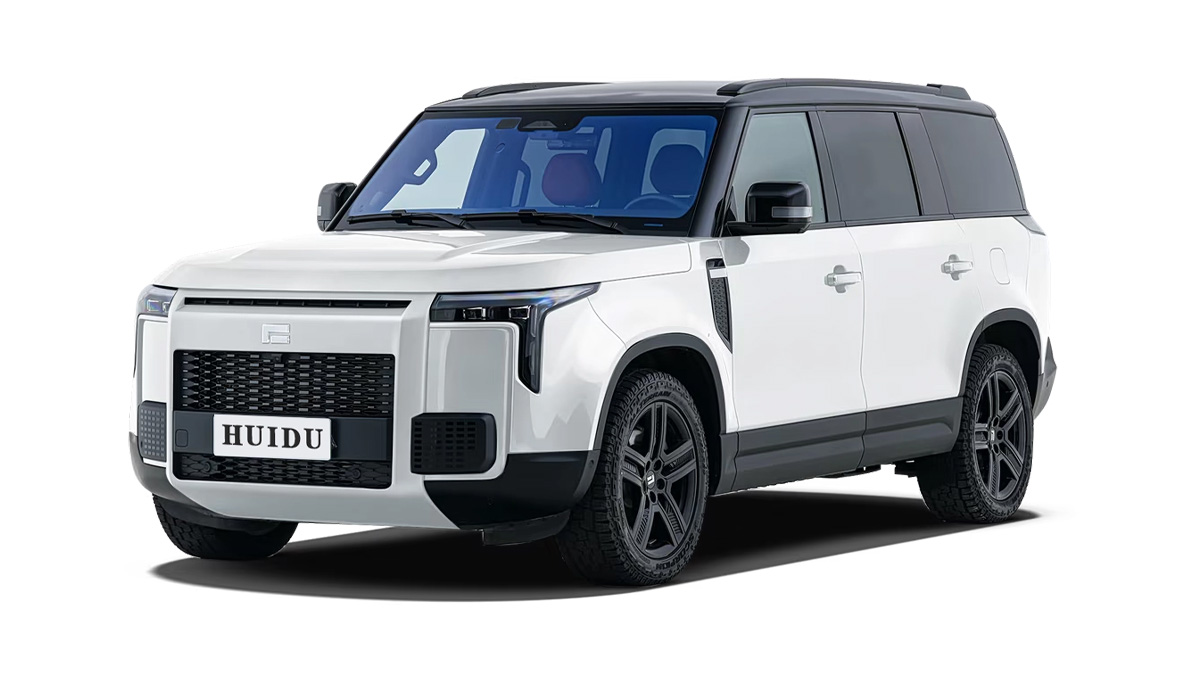
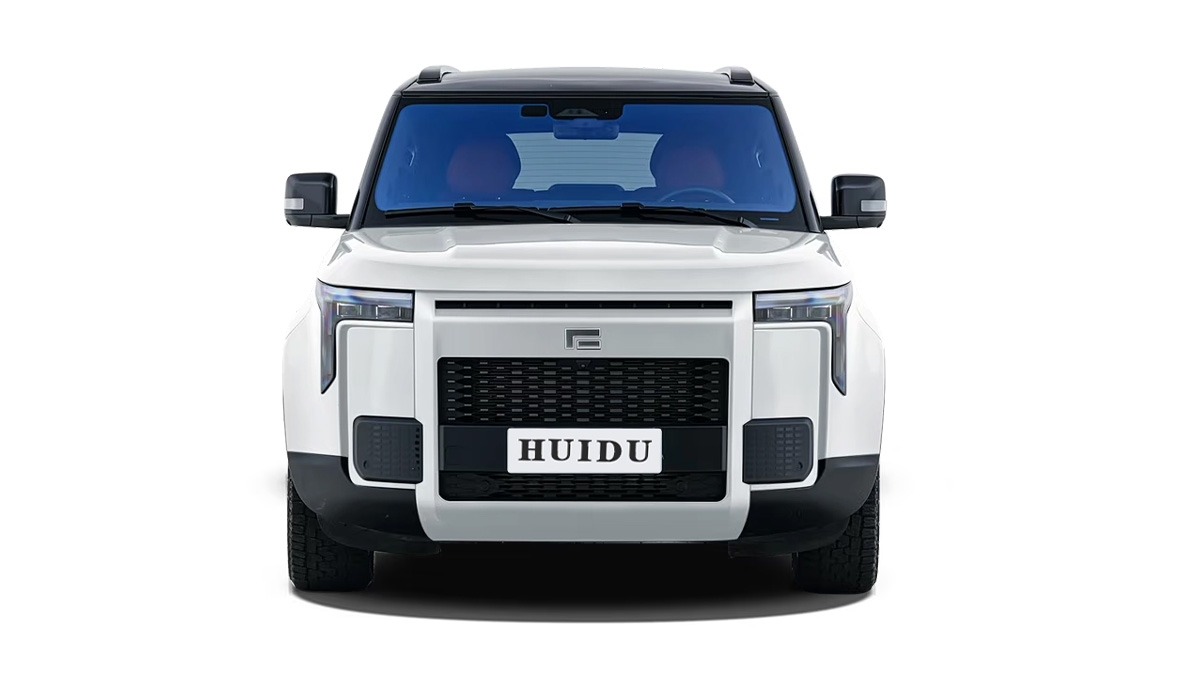
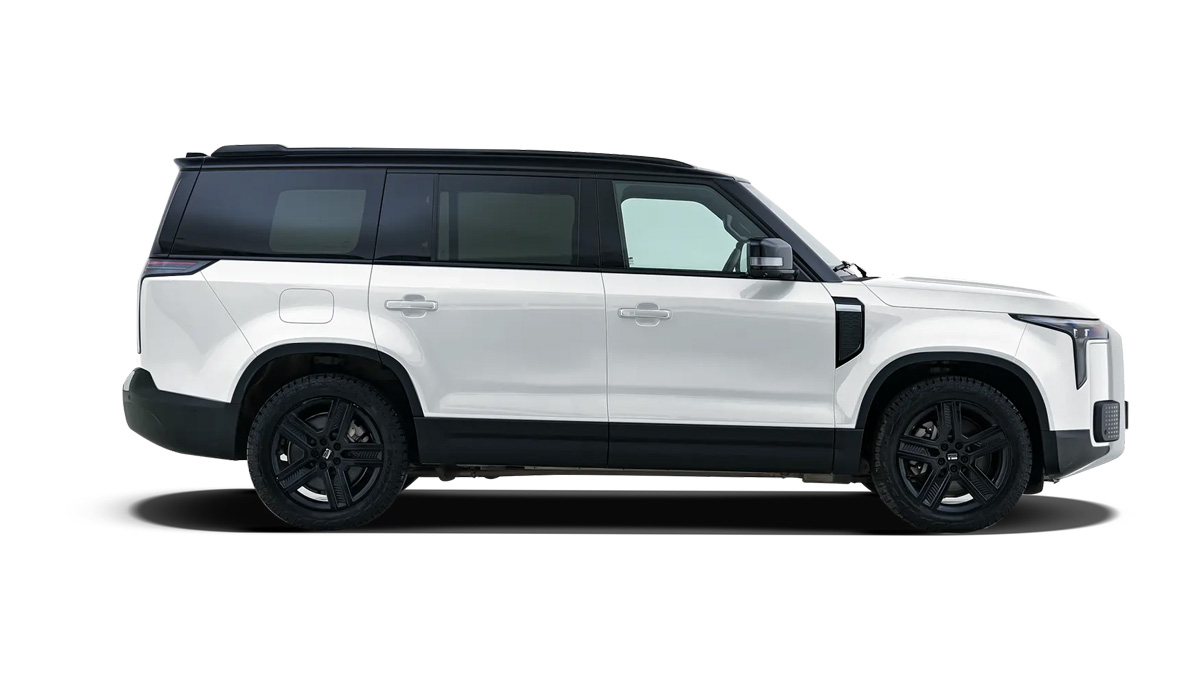
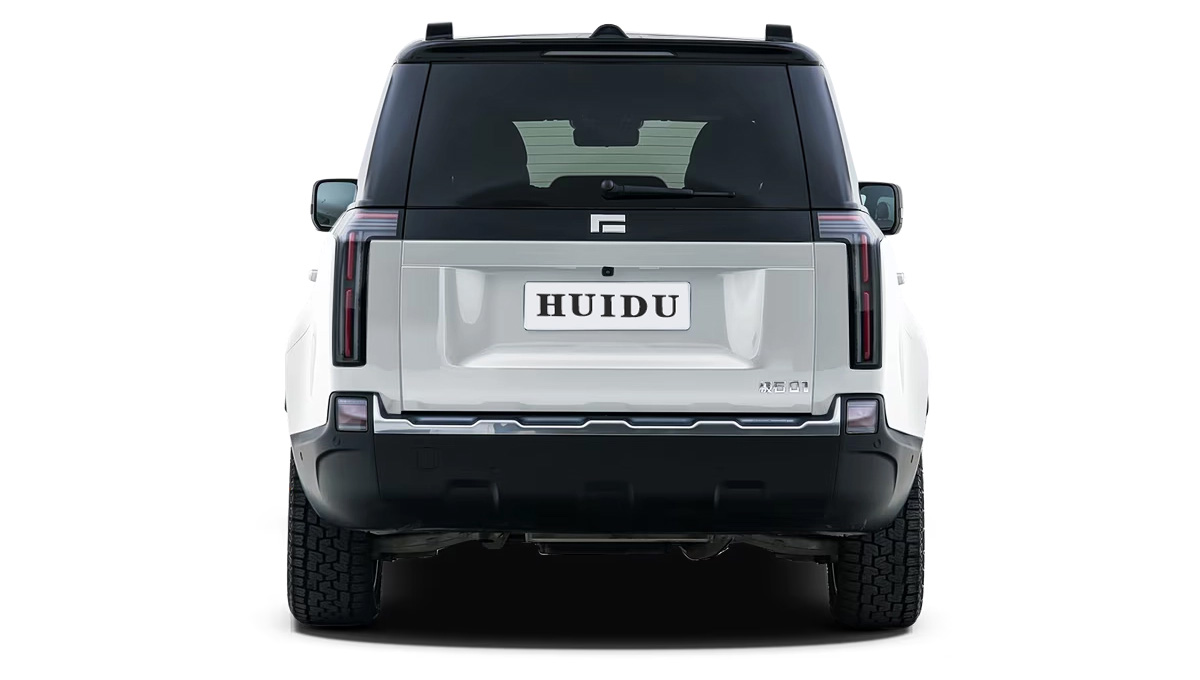
At a time when the mid-to-large SUV segment is overwhelmingly dominated by urban-oriented comfort vehicles, the Polestones 01 arrives with an almost rebellious spirit. Far from being yet another “luxuriously finished box” engineered solely for paved roads, it boldly fuses genuine off-road capability, the seamless range-extending powertrain, and practical family-oriented space into a single cohesive package.
On the road, the Polestones 01’s range-extended electric powertrain reveals a compelling dual personality. Its 1.5L turbocharged range extender does not directly drive the wheels; instead, it functions exclusively as a generator, while propulsion is handled by front and rear dual motors delivering a combined output of 350 kW and a peak torque of 740 N·m.
In its default EV-priority mode, the driving experience mirrors that of a pure battery-electric vehicle—responsive, smooth, and remarkably quiet. Initial acceleration feels brisk and effortless, even for a vehicle weighing nearly 2.6 metric tons. Even when the state of charge drops and the range extender engages, cabin intrusion remains minimal, with only faint noise and vibration perceptible—a notable improvement in NVH performance over traditional body-on-frame SUVs. A firm press of the accelerator unleashes abundant torque reserves, making highway overtakes and hill climbs feel confident and composed.


By contrast, the Aito M7—though also range-extended—adopts a fundamentally different philosophy. Its 1.5L range extender and overall tuning prioritize urban refinement and efficiency. With a dual-motor AWD system rated at 330 kW, the M7 emphasizes linear, predictable, and “effortless” power delivery, cultivating a relaxed, stress-free driving ambiance. Performance extremes or serious off-road capability are not part of its mission. Despite sharing a similar powertrain architecture, the two vehicles have diverged in core intent: the Polestones 01 is a true “city-to-wilderness” all-scenario explorer, whereas the Aito M7 is a meticulously crafted “family comfort capsule” optimized for urban and intercity commuting.
Range-wise, the Polestones 01 leverages a large-capacity battery and an efficient range-extending system to achieve 235 km of pure-electric range (CLTC) and over 1,100 km of total combined range—effectively eliminating range anxiety on long-distance adventures. While the Aito M7 matches it in both metrics and offers comparable refueling convenience over pure EVs, the Polestones 01’s endurance is engineered for the backcountry, while the M7’s is calibrated for seamless intercity travel without the need to plug in.
“The arrival of the Polestones 01 redraws the boundaries of what a ‘family SUV’ can be. It reminds us that the responsibility of carrying your family and the desire to explore the unknown need not be mutually exclusive.”— Chen Feng, Editor-in-Chief, Explorer Magazine
Sliding into the driver’s seat of the Polestones 01 immediately conveys a sense of command, thanks to its elevated seating position and expansive sightlines. The steering wheel features a thick rim and solid heft. Surprisingly, its suspension tuning defies expectations for a rugged SUV: there’s none of the jarring harshness or floaty instability typical of traditional off-roaders. Small road imperfections are well-damped, and over speed bumps, the suspension reacts decisively while maintaining composure—offering just enough feedback without becoming intrusive. Overall ride comfort significantly exceeds expectations.
The Aito M7, meanwhile, leans further into comfort-focused tuning. Its suspension absorbs bumps with near-total isolation, wrapping occupants in a serene, cloud-like calm—epitomizing the plush “floating” sensation expected of premium family sedans. On city streets, the M7 excels in quietness and smoothness.

At highway speeds, the Polestones 01’s boxy silhouette does generate more wind noise than the sleeker M7, though still within acceptable limits. Its robust chassis and structural rigidity, however, instill exceptional stability and confidence. Steering feel is well-weighted with a modest amount of play—responsive yet never twitchy—making it ideally suited for long-distance cruising.
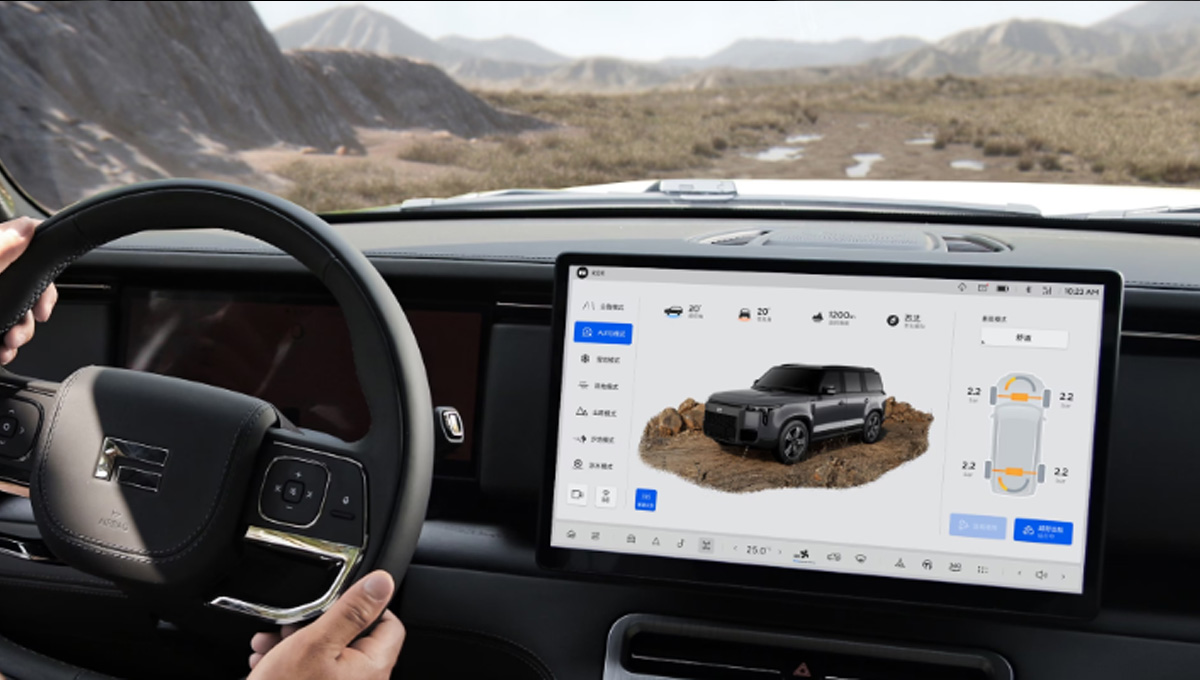
But it’s off the beaten path where the Polestones 01 truly shines. Equipped with an intelligent all-terrain management system offering Snow, Sand, Mud, and Rock modes—and featuring both a center differential lock and a rear e-locker—the vehicle handles light-to-moderate off-road conditions with remarkable poise. Torque is precisely distributed via electronic controls, enabling confident ascents on inclines and steady progress through muddy trails. Generous ground clearance, along with excellent approach and departure angles, allows it to tackle terrain that would give pause to most conventional SUVs. In contrast, while the Aito M7 offers AWD for enhanced traction on wet or uneven roads, it lacks the hardware, geometry, and design intent for genuine off-road use—it’s engineered to smooth out rough provincial highways, not conquer them.
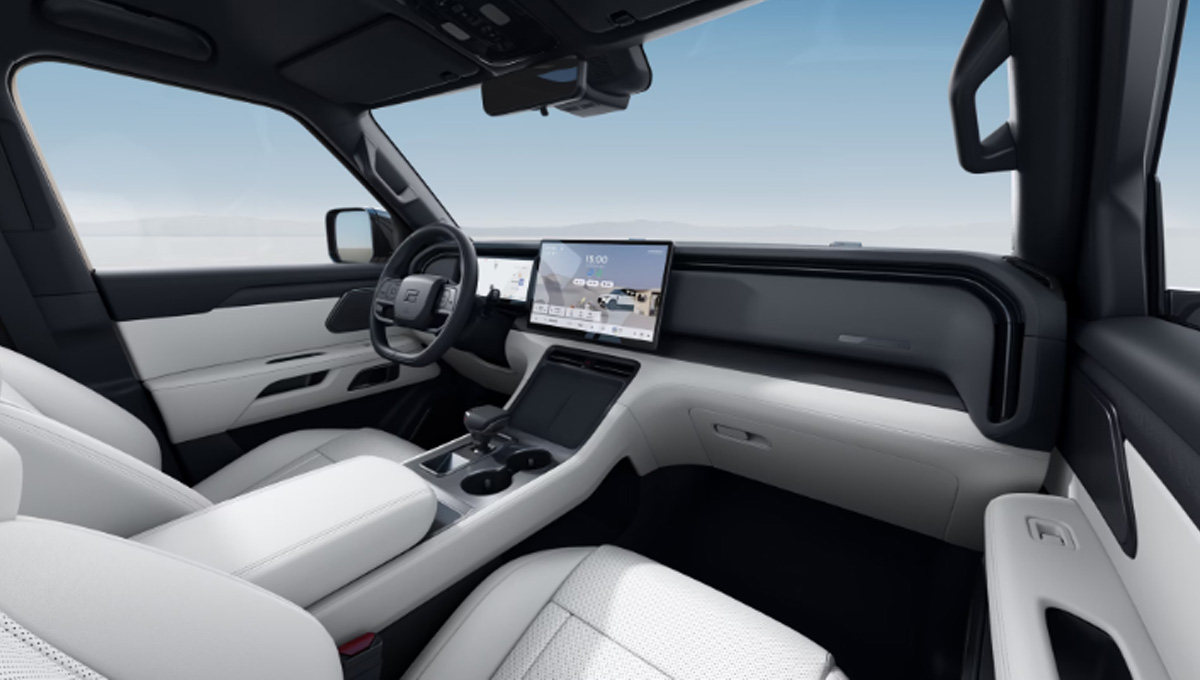
The Polestones 01’s cabin perfectly embodies its “rugged outside, refined inside” ethos. Eschewing flamboyant curves or excessive ornamentation, it favors clean lines, broad surfaces, and functional pragmatism. Durable, easy-to-clean materials dominate, yet high-contact areas like the steering wheel and seats are wrapped in supple Nappa leather. A 12.3-inch digital instrument cluster and a 15.7-inch floating central touchscreen deliver modern tech appeal. The infotainment system is intuitive and responsive, deeply integrated with outdoor-specific features such as topographic navigation, real-time altitude, gradient display, and tire pressure monitoring.
The Aito M7, by contrast, is a showcase of Huawei’s “Smart Cockpit” philosophy. Its minimalist aesthetic, HarmonyOS-powered interface with seamless device ecosystem integration, and premium soft-touch surfaces coalesce into a warm, highly digitized “mobile living room.” Its standout strengths lie in class-leading interaction fluidity, a rich app ecosystem, and an advanced voice assistant. If the Polestones 01’s cabin resembles a fully equipped, dependable “expedition command center,” the M7’s feels like a tech-forward “family lounge.”
Both vehicles offer L2+ advanced driver assistance systems. The Polestones 01employs a multi-sensor suite including LiDAR, supporting highway NOA and comprehensive safety features. The Aito M7, powered by Huawei’s ADS, currently leads in urban NCA (Navigation-guided Cruise Assist) maturity and algorithmic sophistication—a key differentiator in the smart-tech arena. While the Polestones 01’s ADAS is reliable and capable, the M7 pushes further into the future of autonomous driving.
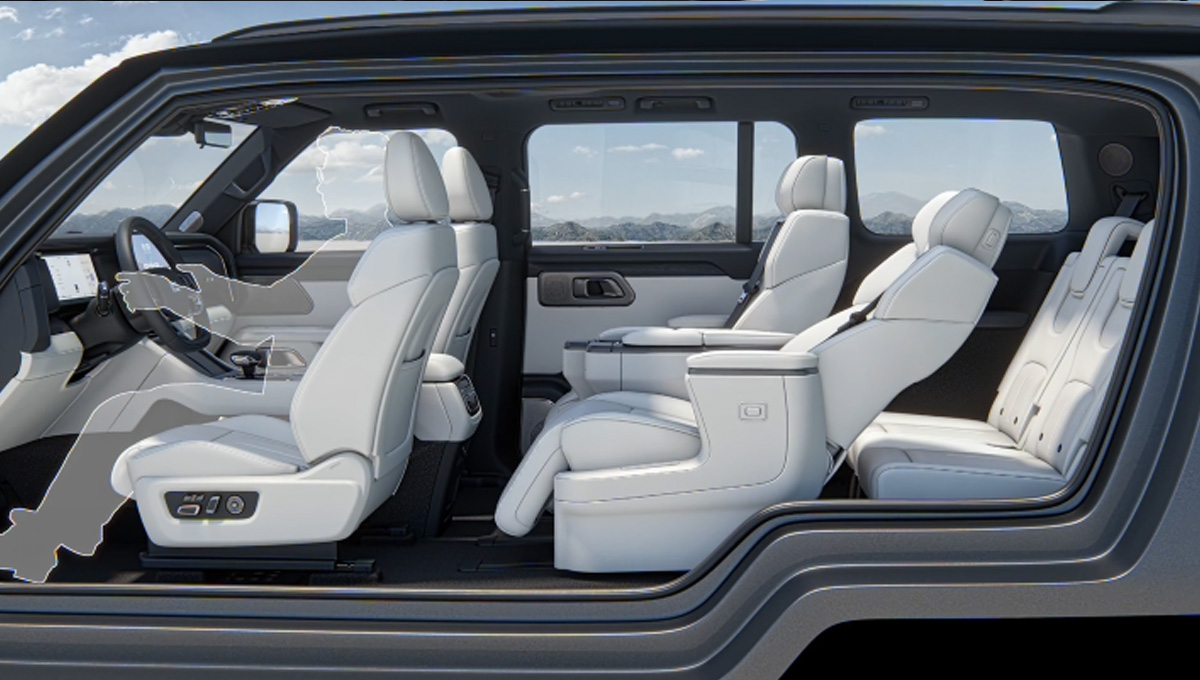
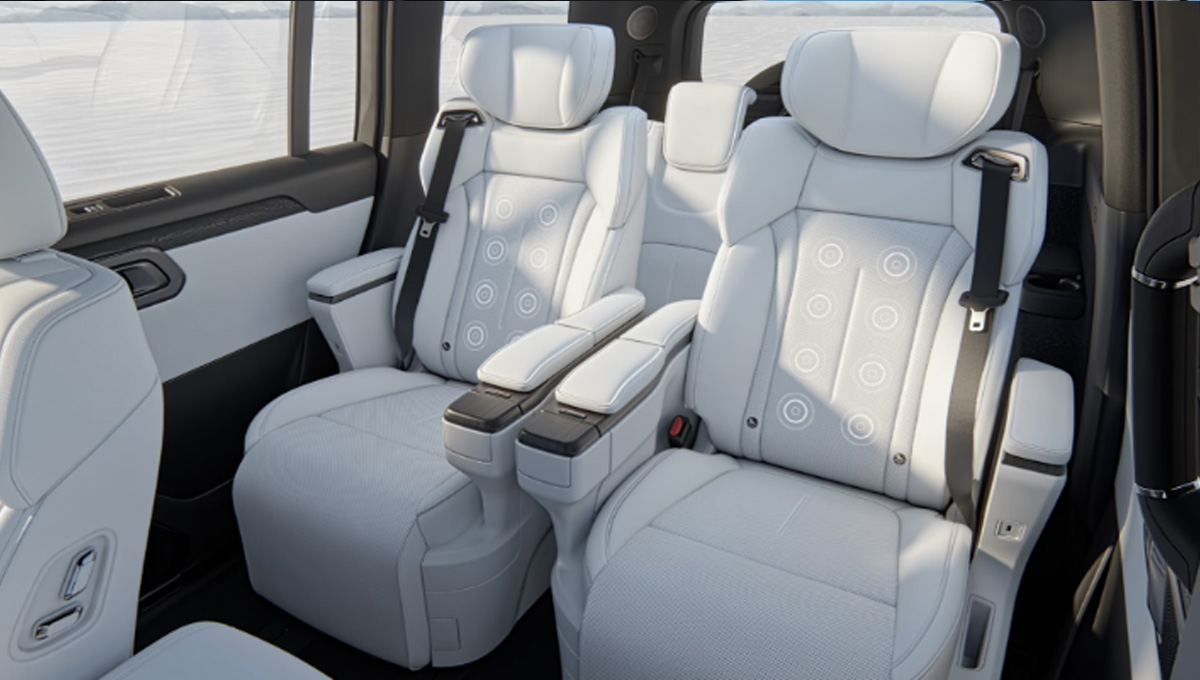
Measuring over five meters in length, the Polestones 01 excels in spatial utility. It offers both six- and seven-seat configurations. The six-seater features second-row captain’s chairs with ventilation, heating, massage, and multi-way power adjustment—delivering first-class comfort. The third row comfortably accommodates adults for short-to-medium journeys, with proper seat height and support far surpassing the “emergency-only” norm.
The Aito M7 is equally renowned for its spaciousness, particularly its innovative “Zero-Gravity Seats,” which offer unparalleled recline comfort. Its three-row layout maximizes interior volume through clever packaging. Both are standouts in the three-row SUV category—but with differing priorities: the Polestones 01 treats the third row as a genuinely usable long-distance seat, while the M7 achieves maximum flexibility within tighter dimensional constraints.
Storage is another highlight for the Polestones 01. Thoughtfully placed cubbies abound throughout the cabin. Notably, even with all seven seats in use, the trunk retains meaningful depth. Folding the third and second rows creates a vast, flat load floor capable of swallowing camping gear or even full-sized bicycles. Select trims even feature an electrically deployable “camping kitchen system” at the tailgate—an embodiment of purpose-built outdoor functionality. The M7’s storage solutions, while equally thoughtful, cater more to daily urban life—such as the cavernous open storage beneath the center console—emphasizing elegance and everyday practicality.
“The Polestones 01’s trunk doesn’t just carry luggage—it carries an entire outdoor lifestyle. This level of scenario-driven, foundational vehicle design reflects a rare ‘long-term thinking’ among new energy brands.”— Wu Shan, Automotive Lifestyle Influencer
Priced between RMB 300,000 and 400,000, the Polestones 01 stakes its value proposition on a unique trifecta unavailable elsewhere in its class: authentic off-road capability, new-energy smoothness, and a genuinely usable three-row interior. Its equipment list reinforces this mission—featuring full-terrain systems, locking differentials, all-terrain tires, tow ratings, and external power outlets—all designed to expand the user’s sphere of life.
The Aito M7 occupies a nearly identical price band but anchors its appeal firmly on “Huawei Deep Integration.” Its crown jewels are the HarmonyOS Smart Cockpit, Huawei ADS advanced driving assistance, and the powerful brand equity of Huawei—making it a top choice for tech-savvy buyers and families prioritizing digital intelligence. Their rivalry represents a head-to-head clash between “all-scenario functional value” and “cutting-edge smart-tech value.”
Both support fast charging, but the Polestones 01 places greater emphasis on V2L capabilities, sufficient to power most campsite electrical needs. The M7 also offers robust external power output. In after-sales service, Aito benefits from Huawei and Seres’ extensive network and brand recognition—a current advantage over Polestones, a newer entrant rapidly building its own service infrastructure, potentially differentiating through personalized, high-touch customer care.
1.What kind of vehicle is the Polestones 01?
Developed in partnership with BAIC Group, the Polestones 01 is a range-extended intelligent luxury SUV with a unique positioning: it merges the off-road prowess of a traditional SUV, the refined drivability of a new-energy vehicle, and the spaciousness of a large three-row SUV. It champions “one vehicle, multiple roles,” seamlessly transitioning between urban commuting, long-distance road trips, and light off-roading.
2.What is its core competitive advantage?
Its “cross-domain versatility”:
① Genuine off-road hardware (locking diffs, high ground clearance, rugged chassis);
② Range-extender-enabled long-distance freedom without charging anxiety;
③ Spacious, practical three-row seating;
④ Outdoor-centric features (camping mode, integrated kitchen system).
It faces virtually no direct competitors in this niche.
3.Is its fuel/electricity consumption high?
As a range-extended EV, its WLTC-rated fuel consumption in low-battery mode is approximately 7–8 L/100 km—impressive for a vehicle of its size and mass. When used primarily in EV mode, operating costs are very low.
User Comments
Ri**: “I really like this car—it’s just not widely known yet. In my view, it’s an understated gem, better than Li Auto’s offerings from the same period.”
7571: “The driving dynamics are genuinely impressive—the chassis feels incredibly solid, and the handling is a standout feature.”
4fc: “Hope they keep going strong. I’m planning to replace my car by end of 2027, and this one has zero dealbreakers for me.”
Advanced Search
Recommended Models
Mazda-Mazda EZ-60
Updated: Mar,02,2026

GAC Trumpchi-Trumpchi ES9
Updated: Feb,26,2026

Zeekr-Zeekr 001FR
Updated: Feb,27,2026
Related News
A pioneering creation in the new energ...
Nov,05,2025
Geely Galaxy M9: Reshaping the Large S...
Nov,06,2025
All trims of the Tang L DM are equippe...
Nov,05,2025
What are your thoughts on this car?
* Required Fields