

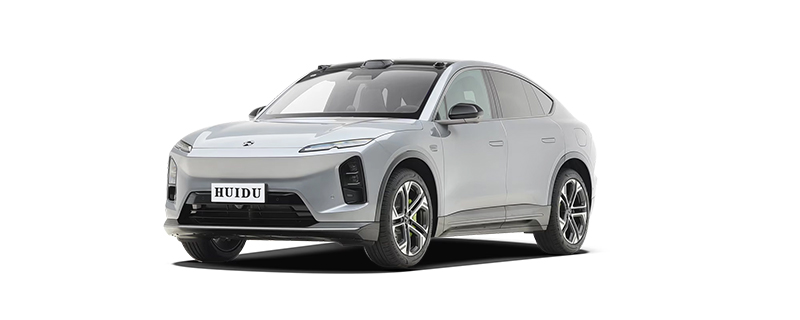
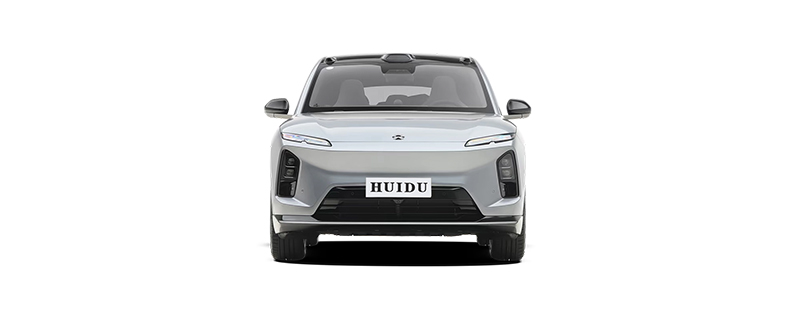
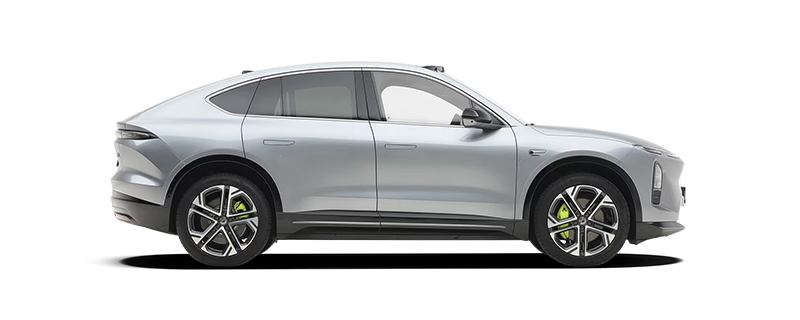
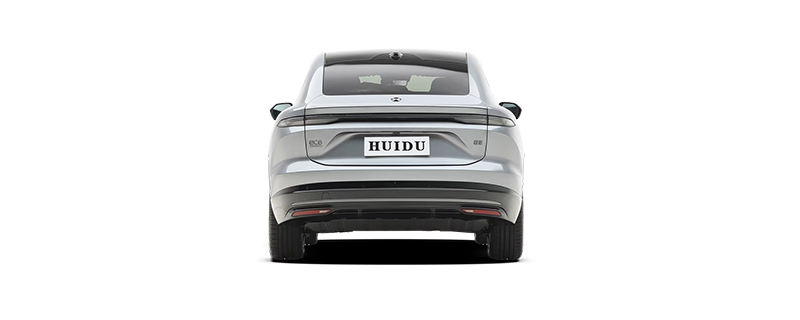
In the premium pure-electric SUV segment, where the 350,000–450,000 RMB price band is fiercely contested by the Tesla Model Y, Avatr 11 and other contenders, the NIO EC6 has firmly established itself as a leading player among Chinese EV startups, offering a distinctive "premium electric coupe SUV" proposition. On April 2, 2026, the 2026 NIO EC6 officially hit the market, aiming to redefine the value benchmark for high-end electric SUVs through the comprehensive evolution of its NT2.5 platform, its signature battery-swap service ecosystem, and the elegant fastback coupe silhouette.
On the road, the 2026 NIO EC6 is powered by a dual‑motor intelligent all‑wheel‑drive system—a front induction motor (150 kW) and a rear permanent‑magnet motor (210 kW)—delivering a combined output of 360 kW (490 hp) and peak torque of 700 N·m. Under half‑load conditions, the 0‑100 km/h sprint takes just 4.4 seconds. The accelerator tuning prioritises smoothness: initial response is gentle and linear, while a deep press unleashes the full, coordinated torque from both motors. With a near‑perfect 50:50 front‑to‑rear axle load distribution and an ultra‑low centre of gravity of 580 mm, the coupe SUV offers excellent neutral handling characteristics. Whether navigating urban traffic or executing high‑speed lane changes, the NIO EC6’s power delivery remains composed—light throttle inputs summon instant response, while full‑throttle acceleration delivers a forceful shove that is kept firmly planted by the chassis.


By comparison, the Avatr 11 comes standard with Huawei’s DriveONE dual‑motor intelligent all‑wheel‑drive system, producing up to 425 kW and 650 N·m of torque. The long‑range dual‑motor variant achieves 0‑100 km/h in just 3.98 seconds. The two models are closely matched in power output—the Avatr 11 holds an advantage in peak power, while the NIO EC6 edges ahead in torque—yet their acceleration figures are remarkably close: 4.4 seconds versus 3.98 seconds, a difference that is barely perceptible in real‑world driving. However, their underlying philosophies diverge sharply: the NIO EC6 pursues an "elegant and composed coupe demeanour," embedding sportiness into every moment of daily driving; the Avatr 11, in contrast, emphasises "Huawei‑technology‑driven performance credentials," appealing to tech‑savvy buyers with headline‑grabbing numbers.
In terms of range, the 2026 NIO EC6 is equipped with a standard 100 kWh long‑range battery pack, delivering a CLTC range of 635‑655 km. Leveraging NIO’s extensive nationwide network of battery‑swap stations, a full swap takes just three minutes—offering a refuelling experience virtually identical to that of a conventional internal‑combustion vehicle and effectively eliminating the range anxiety inherent in pure‑EV ownership. The Avatr 11, powered by a CATL ternary‑lithium battery, achieves a CLTC range of up to 760 km and supports high‑voltage fast charging. While both models excel in range metrics, the NIO EC6’s battery‑swap system creates a formidable, hard‑to‑replicate competitive moat in terms of refuelling efficiency and psychological reassurance for drivers.
“The 400,000 RMB price point is increasingly becoming a value watershed for mid‑size premium EVs—sufficiently high to bridge the gap between range anxiety and performance compromises, yet not so high as to slip into the territory of superfluous luxury.” In this rational yet ambitious price segment, the NIO EC6 has built a solid defensive barrier through its battery‑swap infrastructure and the continuously evolving NIO OS, cementing its edge in service ecosystem and customer loyalty.
Slip into the NIO EC6’s cabin, and the generous dimensions—4,849 mm in length, 1,995 mm in width, and a class‑leading wheelbase of 2,915 mm—deliver a spacious interior and an elevated, commanding view of the road. Thanks to the iterative upgrades of the NT2.5 platform, both body rigidity and NVH performance have been markedly improved. The steering wheel offers a precise, weighty feel, yet the steering effort is light and accurate, making urban manoeuvres effortless.
The chassis employs a front and rear five‑link independent suspension, complemented by NIO’s self‑developed ICC intelligent chassis domain controller and CDC dynamic suspension damping control. This combination strikes a refined balance between comfort and sportiness: on city roads, the CDC suspension effectively filters out minor surface imperfections, and the suspension reacts crisply and decisively over speed bumps. During brisk cornering, the five‑link layout delivers excellent lateral support, keeping body roll well in check. Through individualised adjustments, the NIO EC6 offers the industry’s widest range—270 custom driving modes and nine preset modes—including a dedicated Sport+ mode with unique steering and damper settings. The standard ISS intelligent comfort braking system automatically modulates braking force at the end of deceleration, markedly reducing nose‑dive and significantly enhancing ride comfort in stop‑and‑go urban traffic.

The Avatr 11, by contrast, employs a front double‑wishbone and rear multi‑link independent suspension, paired with Huawei’s DriveONE dual‑motor all‑wheel‑drive system. Its 265/40R22 high‑aspect‑ratio Continental PremiumContact 6 tyres and Brembo high‑performance aluminium four‑piston calipers contribute to impressive grip and support under extreme cornering, with a suspension tune that leans toward a European sporty character. In comparison, the NIO EC6’s CDC intelligent chassis offers greater versatility and everyday comfort.
Up front, the NIO EC6 is fitted with NIO’s self‑developed high‑performance aluminium alloy four‑piston fixed calipers and 355‑mm‑diameter brake discs, achieving a shortest 100‑0 km/h braking distance of 34.5 metres (with 21‑inch wheels). Brake pedal feel is linear and progressive, with consistent, confidence‑inspiring force from initial application to full stop. The Avatr 11 also features Brembo high‑performance aluminium four‑piston calipers, with a shortest braking distance of under 35 metres. Both models rank among the top in their class, with the NIO EC6’s 34.5 metres claiming a marginal numerical edge.
The NIO EC6’s cabin is conceived around the “second living room” design philosophy, featuring a wraparound cockpit with a 15.6‑inch 3K AMOLED central display, a Qualcomm Snapdragon 8295P chip, and the latest CedarS system. Standard equipment includes a 19.4‑inch head‑up display, 256‑colour ambient lighting, and a 23‑speaker Dolby Atmos sound system. The Nappa leather seats are supple and soft, with the front‑passenger “Queen’s Seat” offering heating, ventilation, and massage functions as standard, along with heated steering wheel and rear seats. Microfiber suede trim adorns the dashboard and door panels, creating a cabin ambience that marries luxury with cutting‑edge technology. The new electromagnetic NOMI assistant enhances human‑machine interaction, while the Banyan system introduces “listening” and “see‑and‑say” functions, making voice commands more natural and efficient.
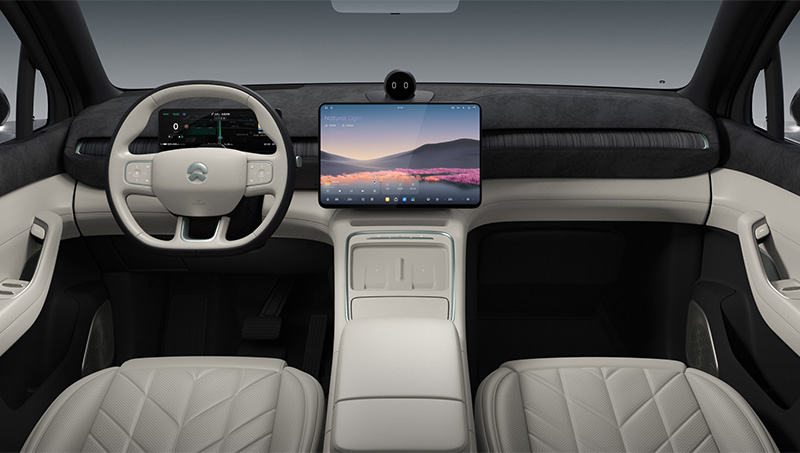
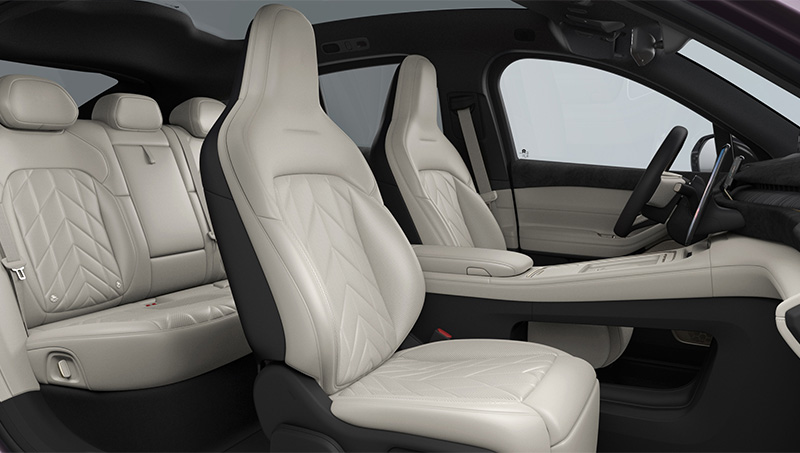
The Avatr 11 is equipped with Huawei’s HarmonyOS smart cockpit, featuring a 10.25‑inch digital instrument cluster and a 15.6‑inch central display. Its all‑round comfort package includes Nappa leather seats with standard heating, ventilation, and massage for the front row. The HarmonyOS cockpit excels in multi‑device synergy and ecosystem richness. While both vehicles are on par in terms of cabin luxury, the NIO EC6 edges ahead thanks to the superior computing power of the 8295P chip and a richer array of cabin features (HUD, 23 speakers, 256‑colour ambient lighting).
On the intelligent driving assistance front, the NIO EC6 is equipped with the Aquila NIO Super Sensing System, which incorporates 33 high‑performance sensors, including a long‑range LiDAR. It is powered by the ADAM NIO Supercomputing Platform, housing four NVIDIA Drive Orin X chips with a combined computing power of 1,016 TOPS. It offers 24 safety and driver‑assistance functions. The Highway NOP+ feature demonstrates proactive lane‑change strategies in real‑world testing, with usable mileage continuing to expand. The Avatr 11 employs 34 sensors in total, comprising three LiDAR units, six millimetre‑wave radars, and 13 cameras. Both models sit firmly in the top tier of autonomous driving hardware, with the NIO EC6’s 1,016 TOPS figure standing out on paper.
As a coupe SUV, the NIO EC6 delivers a commendable performance in terms of space utility. Its 4,849‑mm length and 2,915‑mm wheelbase ensure generous passenger room. The boot volume ranges from 532 litres to a maximum of 1,435 litres with the rear seats folded. The fastback design does not unduly compromise rear headroom, and rear‑seat comfort remains impressive. The electrically deployable rear spoiler not only reinforces the sporty stance but also helps optimise the drag coefficient to 0.24 Cd.

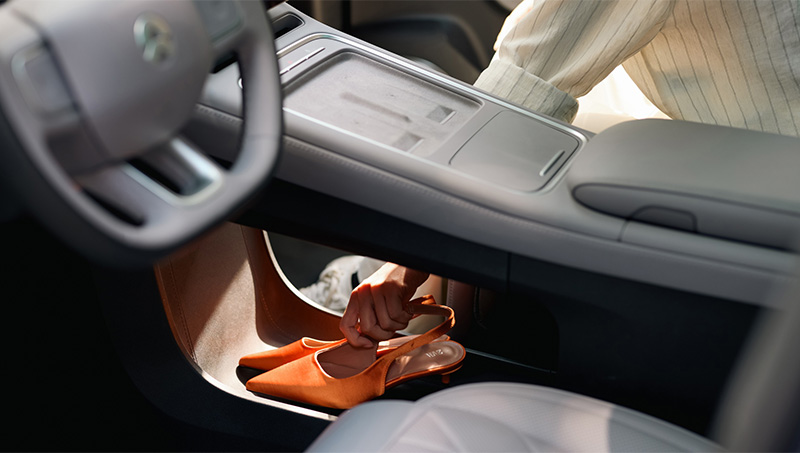
The Avatr 11 measures 4,880 mm in length, 1,970 mm in width, and 1,601 mm in height, with a wheelbase of 2,975 mm—60 mm longer than the NIO EC6. However, its boot capacity is only 394 litres, significantly smaller than the NIO EC6’s 532‑litre figure. While both vehicles offer comparable passenger space, the NIO EC6 clearly outshines the Avatr 11 in boot practicality and overall load‑carrying capability.
1. What kind of vehicle is the NIO EC6?
The NIO EC6 is a smart electric coupe SUV from NIO, built on the NT2.5 platform. Its core selling points include the coupe fastback styling, battery‑swap service, dual‑motor all‑wheel‑drive performance, and a luxurious intelligent cockpit, targeting premium buyers in the 350,000–450,000 RMB price range who seek both quality and individuality.
2. What are the NIO EC6’s core competitive advantages?
The NIO EC6’s competitive edge lies in the combination of:
① Battery‑swap system – a three‑minute swap eliminates range anxiety;
② Coupe design – 0.24 Cd drag coefficient with an electric spoiler, offering a unique silhouette;
③ Intelligent chassis – front/rear five‑link suspension + CDC + 4.4‑second 0‑100 km/h acceleration, delivering engaging dynamics;
④ Top‑tier autonomous driving hardware – 1,016 TOPS computing power and 33 sensors;
⑤ Attractive pricing – starting at 358,000 RMB, with the swap model lowering the upfront purchase threshold.
3. What are the main differences between the NIO EC6 and the Avatr 11, and how should one choose?
Refuelling method: NIO EC6 supports battery swapping (3‑minute full charge); Avatr 11 relies solely on fast charging and charging network availability.
Body style: NIO EC6 – coupe fastback with electric spoiler, drag coefficient 0.24 Cd; Avatr 11 – coupe‑SUV design, drag coefficient 0.27 Cd.
Powertrain: NIO EC6 – 360 kW / 700 N·m / 4.4 s; Avatr 11 – 425 kW / 650 N·m / 3.98 s.
Intelligent hardware: NIO EC6 – 1,016 TOPS + 33 sensors; Avatr 11 – 34 sensors including 3 LiDARs.
Boot capacity: NIO EC6 – 532‑1,435 L; Avatr 11 – 394 L.
Price range: NIO EC6 starts at 358,000 RMB; Avatr 11 starts at 289,900 RMB.
Recommendation: Choose the NIO EC6 if you value the convenience of battery‑swap recharging, the elegant coupe‑SUV styling, and NIO’s comprehensive service ecosystem. Choose the Avatr 11 if you prioritise Huawei’s full‑stack intelligent technology experience and a more competitive price point.
User Comments
User 510: “This car is a head‑turner wherever it’s parked.”
User 5206: “Great car, no complaints.”
Advanced Search
Recommended Models
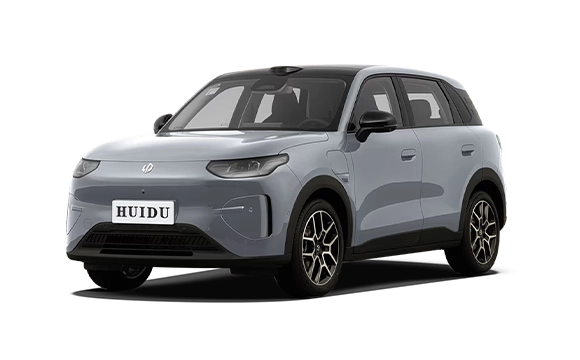
Leapmotor-Leapmotor A10
Updated: Jul,07,2026
ChangAn-CS55 PLUS 2026
Updated: Jul,07,2026
Geely-Galaxy-Geely Galaxy M7
Updated: May,28,2026
Related News
A pioneering creation in the new energ...
Nov,05,2025

Geely Galaxy M9: Reshaping the Large S...
Nov,06,2025
All trims of the Tang L DM are equippe...
Nov,05,2025
What are your thoughts on this car?
* Required Fields