

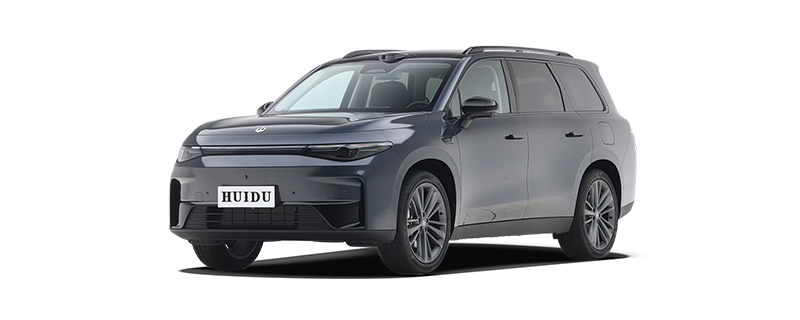
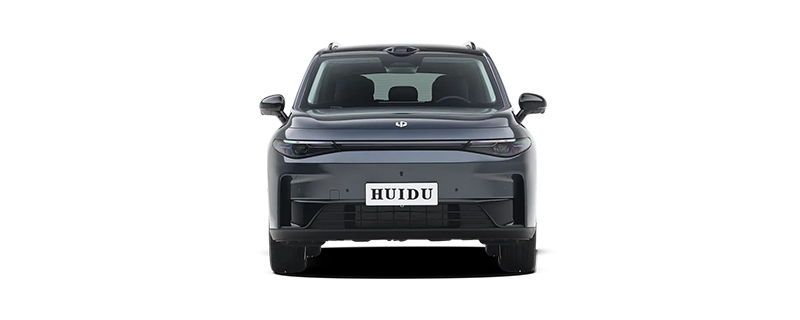
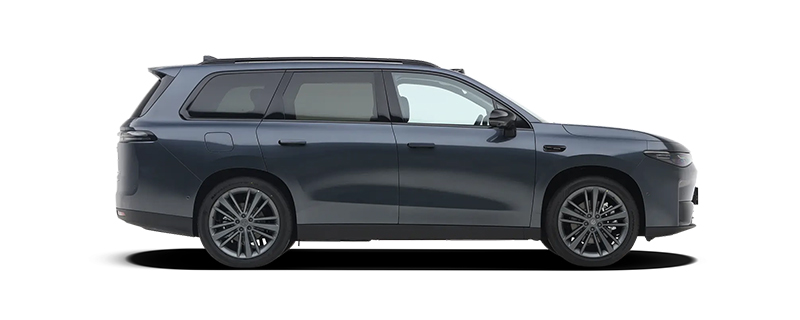
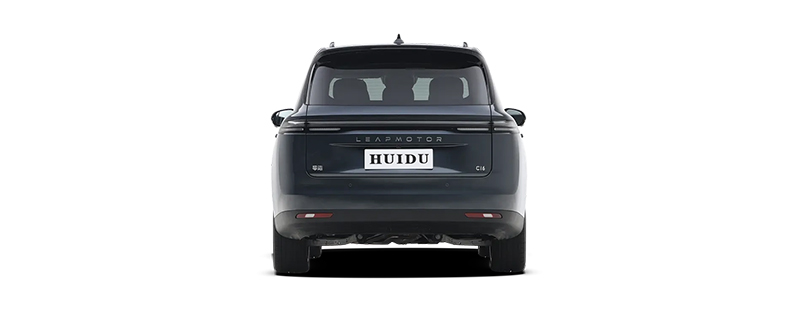
At a time when the mid-to-large SUV segment (RMB 150,000–180,000) is being alternately challenged by joint-venture models and the Li Auto L6, the Leapmotor C16 has arrived with a commanding value‑for‑money proposition. Leveraging an MPSUV (MPV + SUV) crossover design philosophy, dual powertrain options (BEV and EREV), and an over‑specified smart cockpit, it aims to redefine the benchmark for family‑oriented mid‑to‑large SUVs in the RMB 150,000 class. In real‑world driving, the 2026 Leapmotor C16 BEV is powered by a rear‑mounted single motor delivering 230 kW (approx. 313 hp) and peak torque of 360 N·m. The EREV variant employs a 1.5‑L naturally aspirated engine (1,499 cc) as the range extender, generating 70 kW (95 hp), while the electric motor total output is 200 kW. Power delivery is tuned primarily for smoothness; the EREV version achieves 0‑100 km/h in approximately 8.46 seconds, whereas the BEV reduces that figure to 6.48 seconds. The accelerator response is gentle and linear at initial travel, clearly prioritising family‑oriented drivability. Even under hard acceleration, power builds progressively, ensuring that rear‑seat passengers experience minimal discomfort.


By comparison, the Li Auto L6 features a 1.5‑L turbocharged range extender (1,496 cc) with a maximum output of 154 hp, coupled with a dual‑motor all‑wheel‑drive system. Its 0‑100 km/h time of 5.4 seconds significantly outpaces the Leapmotor C16 EREV’s 8.46‑second figure. The two vehicles embody fundamentally distinct powertrain philosophies and market positioning: the Leapmotor C16 serves as a “family‑first, smooth‑riding” practical cruiser, whereas the Li Auto L6 positions itself as a “powerful, brand‑elevated” tech flagship.
In terms of range, the 2026 Leapmotor C16 BEV comes standard with an 800‑V silicon‑carbide high‑voltage platform, featuring an 81.9‑kWh battery and a unified CLTC range of 630 km. The EREV variant sees its battery capacity increased to 38.7 kWh, raising the CLTC pure‑electric range to 280 km and extending the comprehensive range to 1,150 km. The Li Auto L6, equipped with a 36.8‑kWh battery, offers a CLTC pure‑electric range of 212 km. The Leapmotor C16 EREV thus holds a clear advantage in pure‑electric range (280 km vs. 212 km), making it more favourable for households that predominantly rely on daily commuting. Notably, the Leapmotor C16 BEV achieves a 30‑80% fast charge in just 16‑18 minutes, while the EREV’s fast‑charging time has also been shortened to 19 minutes.
“Leapmotor’s pricing strategy for the Leapmotor C16 can be described as a tier‑down assault—offering the 8295P chip, 128‑line LiDAR, and an 800‑V high‑voltage platform at a starting price of RMB 145,800. It is not competing with the Li Auto L6 on luxury; rather, it is championing a value revolution of ‘technology democratisation’.” – New Energy Vehicle Observer
Stepping into the cockpit, the Leapmotor C16’s exterior dimensions (4,915 × 1,905 × 1,770 mm) and wheelbase of 2,825 mm, combined with a generous roofline of 1,770 mm, provide expansive outward visibility and ample headroom. The steering wheel offers a light feel with consistent weighting, making low‑speed urban manoeuvres effortless. The suspension employs a front MacPherson strut and rear five‑link independent setup; the 2026 model adds front and rear FSD continuously variable damping shock absorbers across the range. Compared to the 2024 version, which suffered from a firm ride and noticeable lateral body motion on rough roads, the new model benefits from both hardware upgrades and refined tuning, resulting in substantial improvements. In urban conditions, the FSD dampers adaptively adjust their damping force according to road surface conditions, effectively absorbing impact over speed bumps and filtering minor undulations, with rear‑seat occupants perceiving virtually no excess bounce. The five‑link rear suspension precisely governs wheel trajectory, delivering commendable body composure through corners. The chassis tuning is unequivocally geared toward comfort, fully aligning with the everyday demands of family users; however, this comes at the expense of sporty dynamics—noticeable body roll during brisk cornering confirms that spirited driving is not its primary domain.

The Li Auto L6’s chassis, by contrast, adopts a front double‑wishbone and rear five‑link independent suspension, supplemented by CDC continuously variable damping shock absorbers. In terms of underbody solidity and high‑speed stability, the L6 edges ahead, thanks to its more mature calibration and the structural advantages of the double‑wishbone setup. Nevertheless, the Leapmotor C16’s standard‑fitment FSD dampers remain a commendable offering in its price segment.
The braking system of the Leapmotor C16 performs admirably. Equipped with brake‑by‑wire technology, it achieves a response time of just 200‑300 ms. The official 100‑km/h braking distance is rated at 35.1 metres. Independent third‑party tests recorded 36.4 metres for the EREV and 35.4 metres for the BEV. In six consecutive braking tests, the distance stabilised at approximately 37.3 metres, indicating effective thermal fade control. Brake force is delivered linearly, offering a comfortable pedal feel in daily driving, while emergency stops maintain stable body posture.
The Li Auto L6’s best braking distance is 36.41 metres, with an average of 37.07 metres over six consecutive tests. Both vehicles perform within the same bracket, with the Leapmotor C16 holding a slight numerical advantage.
The Leapmotor C16’s interior design balances technological flair with a welcoming family atmosphere. Standard equipment includes a 10.25‑inch full‑LCD instrument cluster and a 14.6‑inch 2.5K floating central touchscreen, powered by a 5nm Qualcomm Snapdragon SA8295P chip and running the Leap 4.0 Plus system, which introduces 3D vehicle modelling, voice enhancement, and expanded app functionality. The system integrates a dual‑AI voice large model combining DeepSeek and Tongyi Qianwen, supporting smart home cards, split‑screen modes, and four‑zone wake‑word recognition. Front‑row dual zero‑gravity seats are standard across the range, complemented by a Leap Sound 23‑speaker PSS premium audio system with Dolby Atmos support. Comfort amenities such as a 7.5‑L vehicle‑mounted refrigerator and a 17.3‑inch rear entertainment screen further reinforce the family‑oriented character. The six‑seat version upgrades to full Nappa leather upholstery, with ventilation and heating for the first and second rows as standard, and massage functions added for higher trims.
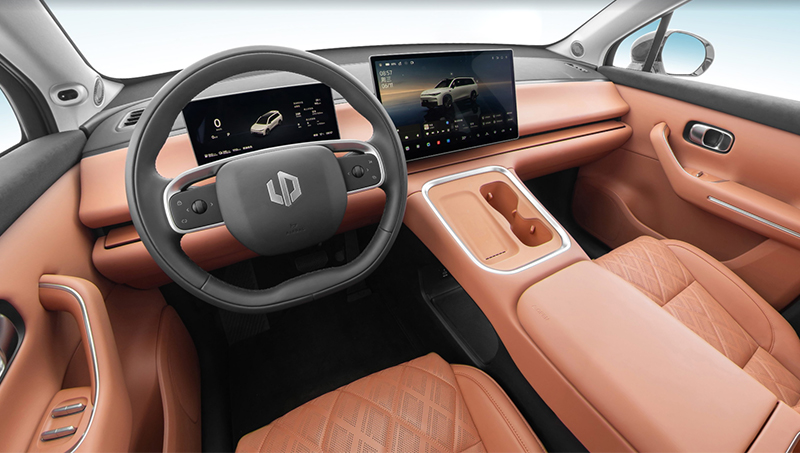
The Li Auto L6 also employs the Qualcomm Snapdragon 8295P chip and features a four‑screen layout, delivering competitive smart cockpit capabilities. However, in terms of ADAS hardware and the breadth of comfort features, the Leapmotor C16 holds an edge.
For intelligent driving assistance, the 2026 Leapmotor C16 comes standard with a 128‑line LiDAR and a total of 28 driving‑assistance sensors. The ADAS chip is upgraded to a 4nm Qualcomm SA8650 (100 TOPS single‑chip compute power), supporting an end‑to‑end assisted‑driving model that enables highway navigation assist (auto lane change, ramp handling), memory parking, and other functions. The 2026 model adds city NOA capability, with noticeable improvements in decision‑making over the previous generation, though there remains room for refinement in lane‑change smoothness under complex traffic conditions. The Li Auto L6 Pro variant is equipped only with the AD Pro system and lacks LiDAR. The Leapmotor C16’s strategy of standardising LiDAR in the RMB 150,000 class exemplifies the “technology democratisation” ethos.
“Sitting inside the Leapmotor C16, you experience the buttery smoothness delivered by the 8295P chip and the embracing comfort of the dual zero‑gravity seats; in the Li Auto L6, you feel the quality confidence derived from brand prestige.” – Editor‑in‑Chief, Driving Control
Space is a core selling point of the Leapmotor C16. With exterior dimensions of 4,915×1,905×1,770 mm and a wheelbase of 2,825 mm, it offers both five‑seat and six‑seat configurations. The model pioneers the world‑first MPSUV (MPV + SUV) design concept, harmoniously blending the spatial advantages of an MPV with the stylistic aesthetics of an SUV. Interior effective space measures 3,301 mm, achieving a space utilisation rate of 67.2%.
The six‑seat version adopts a 2+2+2 “first‑class” layout. The second row features dual side‑sliding independent seats—unique in its class—that support one‑touch inward sliding of 70 mm (“close‑up mode”) to bring family members closer, or outward sliding of 190 mm to create a central aisle for easy third‑row access. The second‑row seatbacks recline up to 155°, with ventilation, heating, and massage functions as standard. Third‑row space has also been specifically optimised, addressing the common pain point of “cramped third‑row stools” in rival models. The five‑seat version targets outdoor scenarios, featuring an industry‑first second‑row linkage one‑touch bed function that converts the cabin into a 2‑metre flat sleeping area in just three seconds. Boot capacity is 582 litres standard, expandable to 2,077 litres with the rear seats folded.


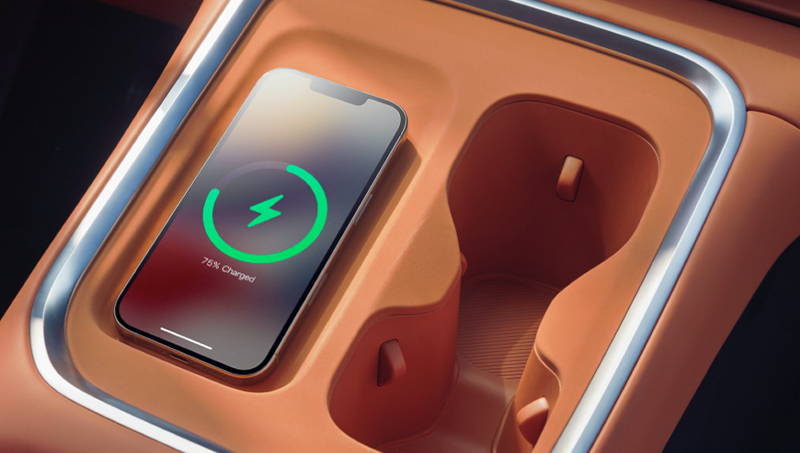
The Li Auto L6, with dimensions of 4,925×1,960×1,735 mm, adopts a five‑seat layout. Although slightly longer and wider than the Leapmotor C16, its wheelbase of 2,820 mm is marginally shorter. In actual seating experience, the Leapmotor C16—in both five‑ and six‑seat forms—demonstrates superior spatial flexibility and comfort. The centre armrest storage volume has been increased from 6.4 litres to 9.4 litres (a 47% gain), and wireless charging power has been raised to 50 W.
The competition between these two vehicles is a direct dialogue between “RMB 150,000‑class tech‑for‑all” and “RMB 250,000‑class brand elevation”. Choosing the Leapmotor C16 means opting for an over‑specified experience—8295P chip, 128‑line LiDAR, 800‑V platform, and flexible seating—for a significantly lower budget. Opting for the Li Auto L6, by contrast, prioritises stronger performance, more mature chassis tuning, and brand premium.
1. What is the Leapmotor C16?
The Leapmotor C16 is a mid‑to‑large new‑energy SUV manufactured by Leapmotor, positioned as a “versatile, comfortable, large‑size SUV for all scenarios”. Its core selling points include MPSUV crossover design, dual powertrains (BEV/EREV), a 8295P‑based smart cockpit, and 128‑line LiDAR, targeting family buyers in the RMB 140,000–180,000 segment who seek high cost‑effectiveness and flexible interior configurations.
2. What are the key competitive advantages of the Leapmotor C16?
Its primary strengths lie in the combination of over‑specified equipment, dual‑powertrain availability, and versatile space:
① Starting at RMB 145,800, it includes the 8295P chip, 128‑line LiDAR, and 800‑V high‑voltage platform as standard—a genuine commitment to technology democratisation.
② With 630 km of BEV range and 280 km of pure‑electric range for the EREV, it caters to diverse usage scenarios.
③ Five‑ and six‑seat versions are both offered; the six‑seat configuration features second‑row side‑sliding independent seats with 155° recline, offering class‑leading spatial flexibility.
④ Standard FSD continuously variable damping shock absorbers and a five‑link rear suspension enhance ride comfort.
⑤ Leapmotor’s full‑stack in‑house R&D delivers cost advantages, with 17 major components produced in‑house.
3. What are the main differences between the Leapmotor C16 and the Li Auto L6, and how should one choose?
Price range: Leapmotor C16: RMB 145,800–169,800; L6: RMB 249,800–279,800—a nearly RMB 100,000 gap.
Powertrain performance: The L6’s dual‑motor AWD achieves 5.4‑second 0‑100 km/h, substantially quicker; the Leapmotor C16 EREV (8.46 s) and BEV (6.48 s) are adequate for family use.
Pure‑electric range: Leapmotor C16 EREV: 280 km; L6: 212 km—the Leapmotor C16 holds an edge for daily commuting.
ADAS hardware: Leapmotor C16 standardises 128‑line LiDAR + Qualcomm 8650; the L6 Pro lacks LiDAR.
Seating layout: Leapmotor C16 offers five‑ or six‑seat options, with six‑seat second‑row side‑sliding independent seats; L6 is five‑seat only.
Chassis equipment: Leapmotor C16 standard‑fitment FSD dampers; L6 standard‑fitment CDC dampers.
Selection advice:
Choose the Leapmotor C16 if you prioritise exceptional value for money, require a flexible six‑seat layout, and value pure‑electric range and ADAS hardware.
Choose the Li Auto L6 if you have a larger budget, desire stronger performance, and prefer a more established brand image.
Advanced Search
Recommended Models
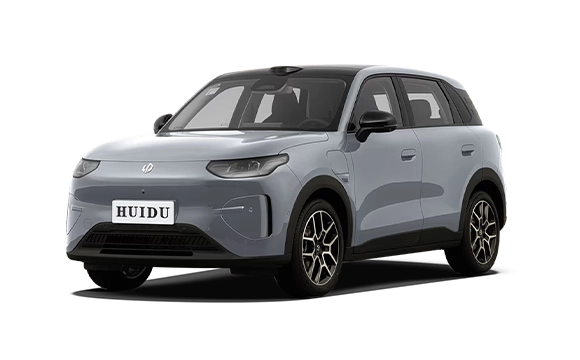
Leapmotor-Leapmotor A10
Updated: Jul,07,2026
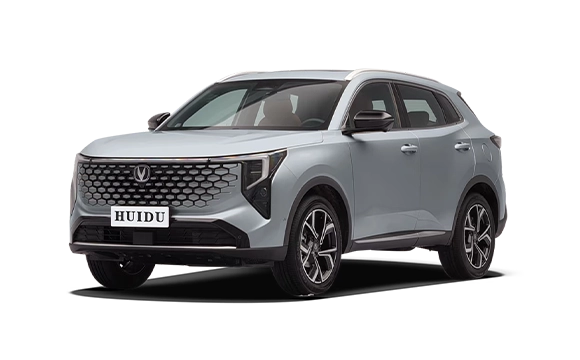
ChangAn-CS55 PLUS 2026
Updated: Jul,07,2026
Geely-Galaxy-Geely Galaxy M7
Updated: May,28,2026
Related News
A pioneering creation in the new energ...
Nov,05,2025

Geely Galaxy M9: Reshaping the Large S...
Nov,06,2025
All trims of the Tang L DM are equippe...
Nov,05,2025
What are your thoughts on this car?
* Required Fields