

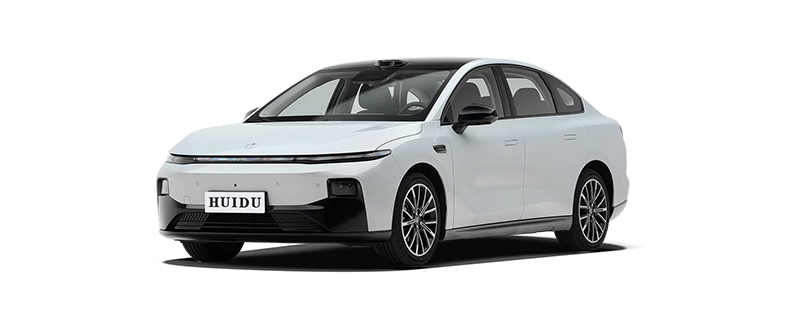
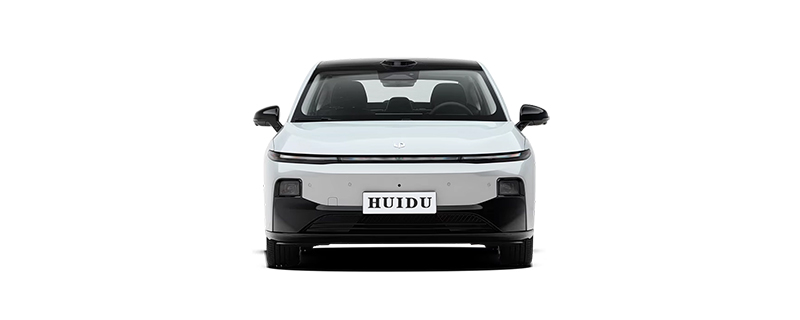
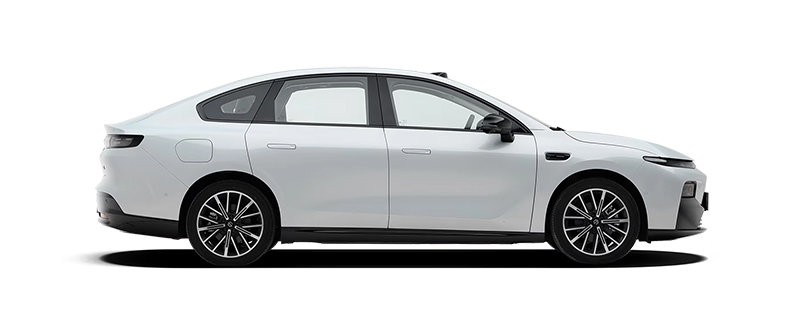
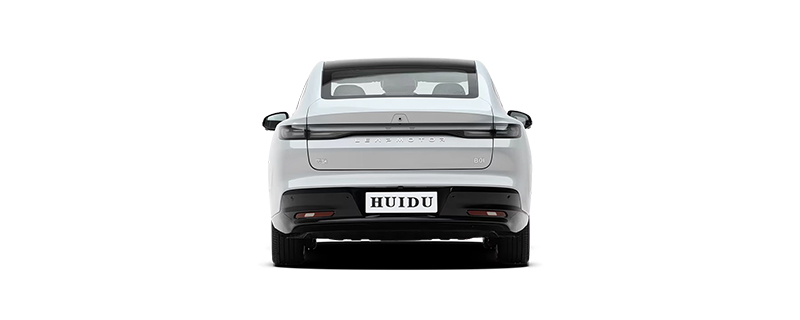
In the current mid-size sedan market segment priced between RMB 130,000 and 180,000—dominated by models such as the Deepal SL03 and BYD Seal—the Leapmotor B01 is poised to make its entrance with a “technology-for-all” philosophy. As the first global model built on Leapmotor’s B‑platform, the Leapmotor B01 aims to redefine the value benchmark for mid-size sedans in the RMB 130,000 class through class‑leading hardware, vertically integrated proprietary technology, and an aggressively competitive pricing strategy.
Although the Leapmotor B01 has not yet officially launched, it has already generated significant market interest. As Leapmotor’s second sedan following the C01, the Leapmotor B01 is positioned in the mid‑size sedan segment and is expected to continue the brand’s established strategy of “full‑stack self‑development plus cost‑based pricing.” Based on disclosed information, the Leapmotor B01 will offer both pure‑electric and extended‑range (EREV) powertrains. Its exterior dimensions are anticipated to be close to those of the Deepal SL03, with a wheelbase likely reaching the 2,900 mm level, directly competing against rivals with a superior size advantage.


By contrast, the Deepal SL03—a benchmark model in this segment—has amassed over 150,000 users since its launch in 2022. The 2025 Deepal SL03 EREV variant is powered by a 1.5‑litre naturally aspirated engine (1,499 mL displacement) serving as a range extender, coupled with a rear‑mounted single motor delivering 160 kW maximum power and 320 N·m peak torque. Its CLTC pure‑electric range reaches up to 200 km, with a comprehensive range exceeding 1,200 km, and a 0‑100 km/h acceleration time of 7.2 seconds. The pure‑electric version features a rear‑mounted single motor rated at 190 kW and 320 N·m, offering a CLTC range between 530‑705 km.
The divergence in powertrain philosophy is clear: the Leapmotor B01 is expected to continue the “large battery, long range, high specification” route for extreme cost‑performance, while the Deepal SL03 leans toward a “rear‑drive sportiness, avant‑garde design” identity.
“The Leapmotor B01 is another strong contender from Leapmotor in the sedan market following the C01. As the first B‑platform global model, the Leapmotor B01 will extend the company’s ‘full‑stack R&D and cost‑based pricing’ strategy, delivering class‑surpassing specifications in the RMB 130,000 segment to realise technology democratisation.” — New Energy Vehicle Observer
The Leapmotor B01 is expected to adopt the same suspension architecture as the C01: a front double‑wishbone and rear five‑link independent setup—a combination rarely seen in this price bracket. The front double‑wishbone suspension offers exceptional lateral support during cornering, while the rear five‑link ensures optimal tyre contact with the road, balancing handling precision with ride comfort. The chassis is likely to come standard with FSD variable‑damping shock absorbers, which adapt damping force based on road conditions. In urban driving, minor bumps are effectively filtered; over speed bumps, the suspension reacts crisply; and during swift cornering, body roll is better suppressed than in rivals with MacPherson front suspensions. The rear‑drive layout endows the Leapmotor B01 with agile rear‑end response—when tackling winding roads, the vehicle exhibits strong body follow‑through, and steering precision and driver engagement notably outperform front‑drive competitors. The Leapmotor B01 is projected to achieve a moose test result exceeding 78 km/h, a commendable figure in the RMB 130,000 sedan class.

The Deepal SL03 also adopts a rear‑drive layout, with a front MacPherson and rear multi‑link independent suspension. In terms of hardware, the Leapmotor B01’s front double‑wishbone design holds an inherent advantage over the Deepal SL03’s MacPherson strut—the double wishbone allows more precise control over wheel trajectory, delivering superior handling stability and ride refinement under aggressive driving and on uneven surfaces.
The Leapmotor B01 is expected to feature large ventilated disc brakes and high‑performance calipers. Drawing from the braking performance of the Leapmotor C01 (100‑0 km/h stopping distance approximately 36‑38 metres), the Leapmotor B01 is likely to achieve a class‑leading figure, with linear and stable brake application. The Deepal SL03 pure‑electric variant records a tested 100‑0 km/h braking distance of roughly 37‑38 metres, while the EREV version, slightly heavier, comes in at about 38‑39 metres—placing both models in a similar performance bracket.
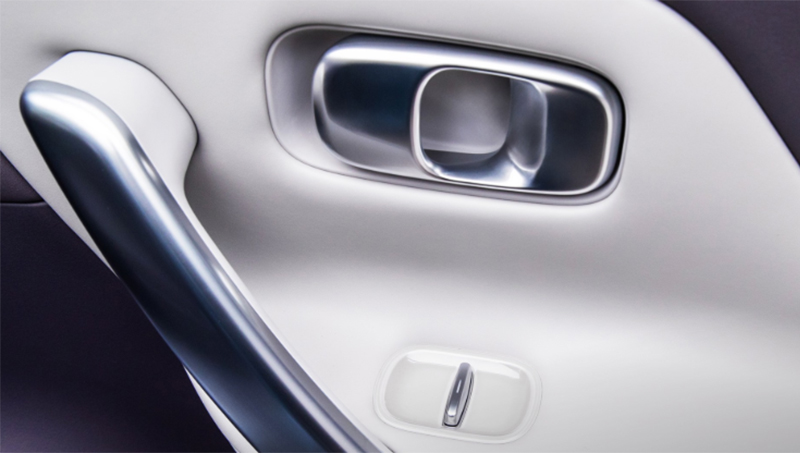
The Leapmotor B01 is expected to be equipped with the same Qualcomm Snapdragon SA8295P chip (5 nm process) found in the C11, offering a threefold increase in computing power over the 8155. The centre console is likely to feature a 14.6‑inch 2.5K floating touchscreen and a 10.25‑inch full‑LCD instrument cluster, with higher trims possibly including AR‑HUD head‑up display. The infotainment system is anticipated to run Leapmotor OS 4.0 Plus, integrating an AI voice assistant powered by large language models (DeepSeek + Tongyi Qianwen), supporting multimodal recognition, “see‑and‑say” functionality across all scenarios, dialect recognition, and voiceprint identification. The cabin is expected to be extensively wrapped in soft‑touch materials and leather, with front seats featuring power adjustment and heating/ventilation as standard.
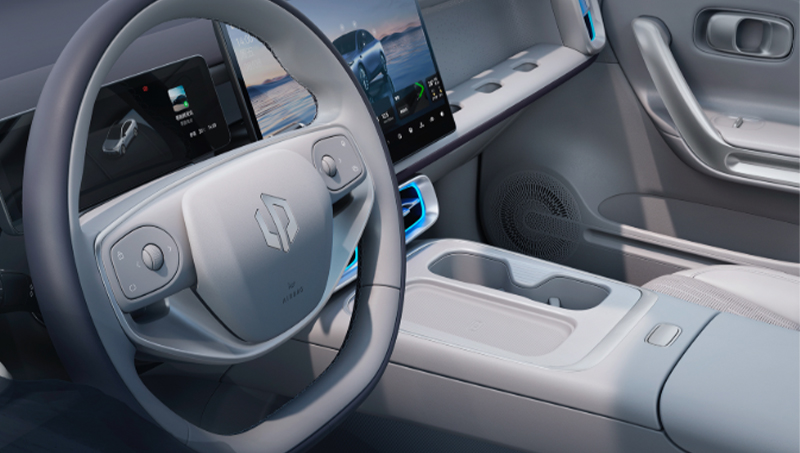
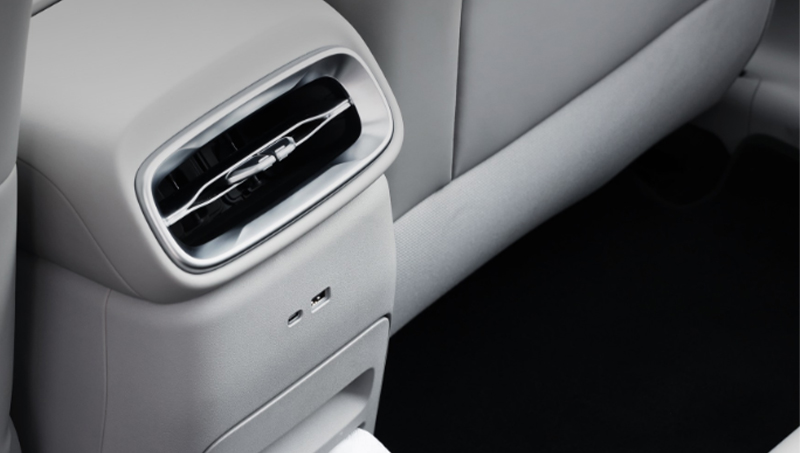
The Deepal SL03, by contrast, employs a Qualcomm Snapdragon 8155 chip and the Deepal OS, with a 14.6‑inch floating centre screen and a 10.2‑inch full‑LCD instrument cluster, following a minimalist design language. In terms of chip performance, screen size, and interaction fluency, the Leapmotor B01’s 8295P chip is set to provide a generational edge.
For advanced driver assistance, the high‑spec Leapmotor B01 is expected to incorporate up to 30 perception sensors (including LiDAR) and a Qualcomm 8650 ADAS chip, enabling NAP (highway navigation assist), CNAP (commuting navigation assist), and HPA (memory parking assist). The hardware redundancy is capable of supporting L3 autonomous driving. The Deepal SL03 features the Deepal AD system, offering IACC (integrated adaptive cruise control) and highway NOA, with an optional APA7.0 remote valet parking on higher trims. The hardware specifications and feature coverage are likely to lag behind what the Leapmotor B01 is projected to offer.
“Step inside the Leapmotor B01, and you are greeted by the buttery smoothness of the 8295P chip and the visual impact of the 14.6‑inch display; step into the Deepal SL03, and you experience the purity and focus of minimalist design.” — Chief Editor, Driving Control
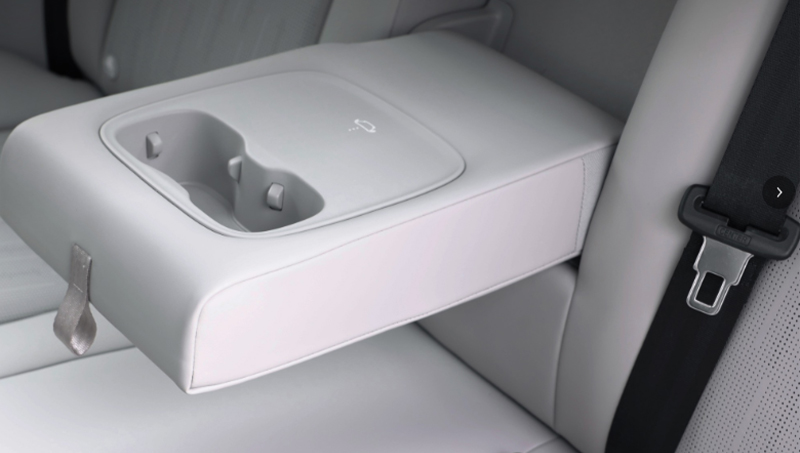
Space is one of the Leapmotor B01’s core advantages. Its exterior length is expected to approach or exceed 4,800 mm, with a wheelbase likely reaching the 2,900 mm class—leading in its segment. For reference, the Deepal SL03 has a wheelbase of 2,900 mm. The extended wheelbase translates into generous rear knee room, projected to exceed two fists of space. The boot capacity is estimated between 450‑500 litres, adequate for family trips, and the fastback tailgate design further enhances loading convenience.
The Deepal SL03 measures 4,820×1,890×1,480 mm with a 2,900 mm wheelbase and a 473‑litre boot. While both models are expected to be closely matched in wheelbase and fundamental space, the Leapmotor B01’s suspension hardware advantage is likely to deliver a superior ride quality.
The competition between the two boils down to a direct clash of philosophies: “class‑surpassing hardware and cost‑performance” versus “rear‑drive sportiness and avant‑garde styling.” Choosing the Leapmotor B01 means securing chassis hardware, 8295P chip, and LiDAR‑based advanced ADAS—components typically found in RMB 300,000‑class vehicles—for a budget of around RMB 130,000. Opting for the Deepal SL03, meanwhile, prioritises rear‑drive dynamics and a futuristic design language.
1. What kind of vehicle is the Leapmotor B01?
The Leapmotor B01 is the first global model from Leapmotor’s B‑platform, positioned as a mid‑size new‑energy sedan, expected to offer both pure‑electric and extended‑range powertrains. Its key selling points include class‑leading suspension hardware, a 8295P‑powered smart cockpit, and advanced driver assistance, targeting young families in the RMB 130,000‑180,000 segment who seek maximum value for money.
2. What are the core competitive strengths of the Leapmotor B01?
Its core competitiveness lies in the combination of premium suspension, long range, and the 8295P cockpit:
① Expected standard fitment of front double‑wishbone + rear five‑link independent suspension plus FSD variable damping from around RMB 130,000;
② The EREV version is projected to offer 250‑300 km of pure‑electric range, while the BEV version is expected to exceed 600 km;
③ Qualcomm 8295P chip + 14.6‑inch 2.5K display;
④ The ADAS version is likely to come standard with LiDAR + 8650 chip, supporting highway/commuting navigation assist;
⑤ Outstanding value for money with a fully loaded specification sheet.
3. What are the main differences between the Leapmotor B01 and the Deepal SL03, and how should one choose?
Suspension: Leapmotor B01 expected to feature front double‑wishbone + rear five‑link + FSD, rare in its class; Deepal SL03 uses front MacPherson + rear multi‑link.
Smart cockpit: Leapmotor B01 likely to have Qualcomm 8295P + 14.6‑inch screen; Deepal SL03 has Snapdragon 8155 + 14.6‑inch screen.
ADAS hardware: High‑spec Leapmotor B01 expected to include LiDAR + 8650 chip as standard; Deepal SL03 offers optional APA7.0 on higher trims.
Pricing: Both are projected to overlap heavily in the RMB 130,000‑200,000 range.
Selection advice: Choose the Leapmotor B01 if you prioritise class‑leading suspension, the 8295P chip, and advanced ADAS hardware; choose the Deepal SL03 if you value rear‑drive sportiness, cutting‑edge design, and an already established market reputation.
User Comments
840: He’s got the 8155; only the LiDAR version gets that chip.
25: Really good.
Advanced Search
Recommended Models
Leapmotor-Leapmotor A10
Updated: Jul,07,2026
ChangAn-CS55 PLUS 2026
Updated: Jul,07,2026
Geely-Galaxy-Geely Galaxy M7
Updated: May,28,2026
Related News
A pioneering creation in the new energ...
Nov,05,2025
Geely Galaxy M9: Reshaping the Large S...
Nov,06,2025
All trims of the Tang L DM are equippe...
Nov,05,2025
What are your thoughts on this car?
* Required Fields