

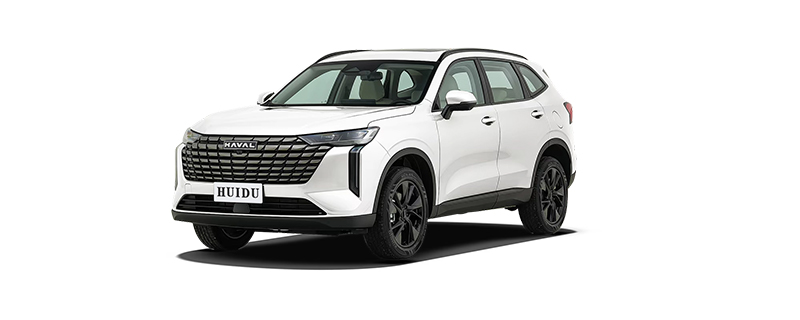
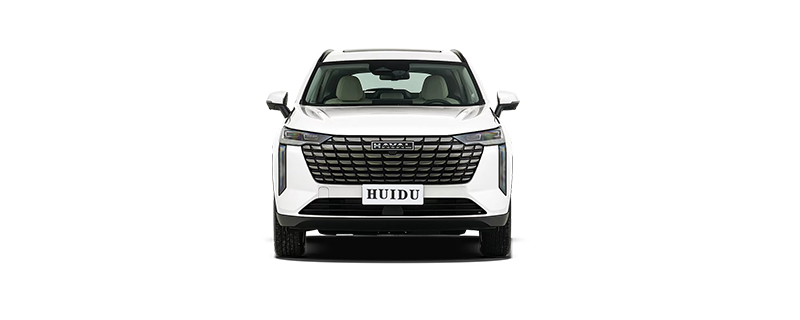
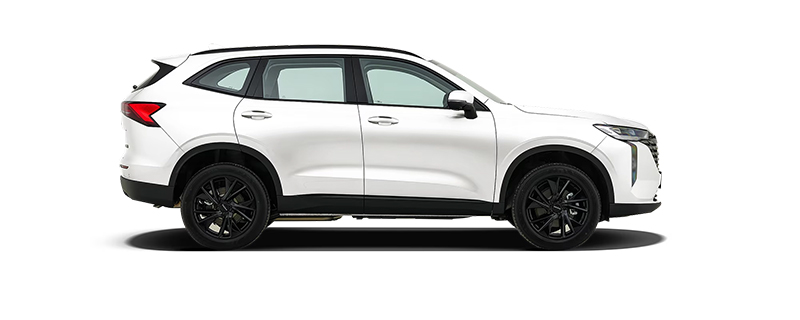
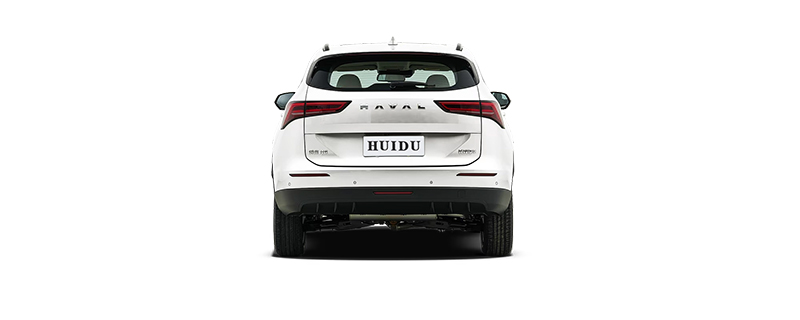
In the fiercely competitive compact SUV segment, priced between RMB 100,000 and 150,000, the Haval H6 has long stood as a “national divine car,” with cumulative sales exceeding 4 million units. The 2025 model year "Guochao" edition further lowers its starting price to between RMB 98,900 and 108,900, defending its territory with exceptional value for money. On the road, the Haval H6’s 1.5L turbocharged four-cylinder engine (1,497cc) delivers a refined character well aligned with its family-oriented positioning. With maximum power of 110 kW (150 hp) and peak torque of 210–218 N·m, paired with a seven-speed wet dual-clutch transmission, the powertrain prioritises smoothness. Acceleration from rest is gentle and free of abrupt surges, gear shifts produce only minimal judder, and the car feels composed in stop-and-go city traffic as well as on elevated expressways.


By contrast, the Changan CS75 Plus is powered by a new-generation Blue Core 1.5L turbo unit (1,494cc) producing 141 kW (192 hp) and 310 N·m of peak torque, mated to an Aisin 8-speed automatic transmission. The two vehicles adopt distinctly different tuning philosophies: the Haval H6 pursues maximum smoothness, exuding a relaxed, ‘Zen‑like’ refinement, while the Changan CS75 Plus offers a more muscular power reserve – particularly noticeable when accelerating at highway speeds – although its low‑speed crawling throttle response lacks the Haval H6’s effortless composure.
In terms of fuel consumption, the Haval H6 1.5T petrol version records a WLTC combined figure of approximately 7.68 L/100 km (running on 92 RON petrol), with urban cycle consumption around 8.8 L/100 km. The CS75 Plus 1.5T delivers a WLTC combined figure of about 6.89 L/100 km – just over 6 L/100 km on the highway and roughly 8 L/100 km in the city – making it more fuel‑efficient. Both vehicles use 92 RON fuel, but the Changan CS75 Plus holds a slight edge in fuel economy.
“The Haval H6 has evolved into the ultimate family SUV – it may not ignite your passion for driving, but its decade‑long, unwavering reliability makes it a choice you can make with your eyes closed.” – SUV Market Observer
Climbing into the Haval H6’s cabin, the high seating position and generous outward visibility are natural SUV advantages. The steering wheel feels solid, with light assistance at low speeds that weights up appropriately at higher velocities. The front MacPherson strut and rear multi‑link independent suspension is clearly tuned for comfort; the chassis feels substantial and well‑damped, absorbing large potholes without a sense of looseness. However, the suspension is on the firmer side, producing noticeable bounce when traversing speed bumps at higher speeds, with road impacts distinctly transmitted to occupants. The car’s substantial dimensions also lead to pronounced body lean in tight corners. At a highway cruise of 110 km/h, wind and tyre noise are reasonably well controlled, allowing normal conversation between front and rear passengers without raising voices.

The Changan CS75 Plus adopts a front MacPherson and rear five‑link independent suspension. The chassis tuning is likewise comfort‑oriented, with slightly finer absorption of road irregularities and crisp handling of larger bumps. The 1.5T engine delivers ample low‑end torque, enabling smooth take‑offs; the Aisin 8‑speed automatic shifts seamlessly, though minor hesitation may occasionally occur during low‑speed crawling. The car remains stable at highway speeds, but tyre noise becomes noticeable above 100 km/h, and the suspension does not feel quite as substantial as the Haval H6’s.
The Haval H6’s steering has a distinctly electronic character – light at low speeds, but the linearity of speed‑dependent weighting could be improved. In moose testing, the H6 achieves a maximum passing speed of 75.1 km/h, with well‑calibrated ESP. Braking performance: the third‑generation Haval H6 records a measured 100–0 km/h stopping distance of approximately 40.21 metres, with good attitude control, even braking force and consistent results across multiple tests. The Changan CS75 Plus 1.5T achieves a 100–0 km/h braking distance of around 39.45 metres, also with good attitude control, stable braking force and no significant fade under repeated stops.
The Haval H6’s interior follows a pragmatic philosophy. Standard equipment includes a 10.25‑inch fully digital instrument cluster and a floating centre touchscreen of either 12.3 or 14.6 inches, with screen resolution up to 1920×1080 and brightness of 1,000 nits, ensuring good visibility under strong light. The onboard Coffee OS smart infotainment system supports dual‑zone voice interaction. Standard across the range are cruise control and a blind‑spot camera for the sides of the vehicle, along with Level 2 driving assistance including adaptive cruise control (ACC) and lane‑keeping assist – features that meaningfully reduce driver fatigue on long highway trips. Apart from the base trim, mid‑ and high‑spec versions also add a 9‑inch W‑HUD head‑up display. Weaknesses include a somewhat limited voice assistant function and sparse support for third‑party apps; the cabin experience still lags noticeably behind that of new‑era EV startups.
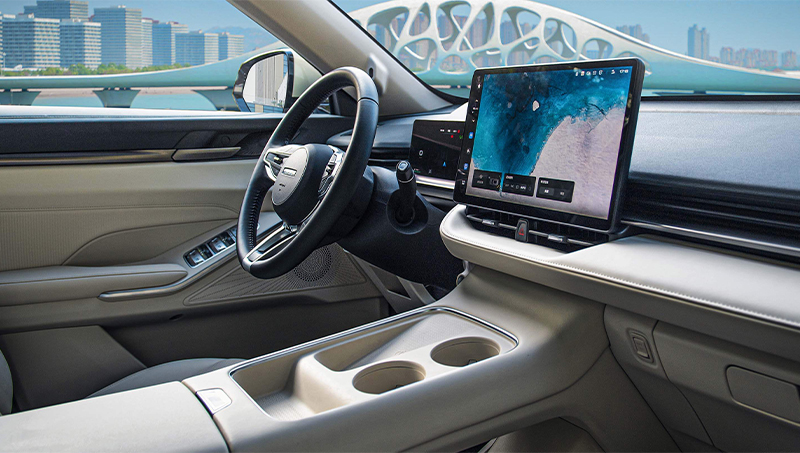
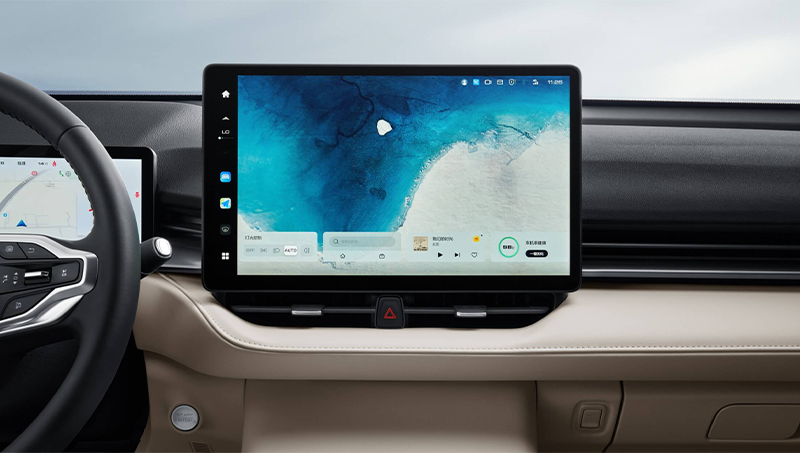
The Changan CS75 Plus, by contrast, features a 10.25‑inch digital instrument cluster, a 14.6‑inch high‑definition centre screen, and a 12.3‑inch passenger display, forming a 37‑inch integrated triple‑screen floating panel. Most physical buttons have been eliminated, replaced by an electronic column shifter, creating a highly technological ambience. Level 2 driver assistance is standard, including IACC intelligent cruise assist, APA5.0 memory parking, AEB automatic emergency braking and other core functions. The Changan CS75 Plus is more avant‑garde and technologically advanced than the Haval H6, though some users note that the fully touch‑based interface is less convenient for blind operation while driving.
“When you sit in the Haval H6, you feel a solid, traditionally grounded dependability; when you sit in the Changan CS75 Plus, you feel the courage of a domestic brand leaping beyond its class to benchmark the new forces in technology.” – Editor‑in‑Chief, Drive & Control
Space is a hallmark of the Haval H6. With exterior dimensions of 4,645×1,860×1,720 mm (length/width/height) and a wheelbase of 2,738 mm, the rear seats comfortably accommodate three adults with no sense of crowding. The floor is nearly flat, and the seat cushioning is neither too soft nor too firm. Boot capacity is 560 litres, expanding to a maximum of 1,485 litres. In real‑world testing, a 180 cm tall passenger enjoys about two fists of knee room and more than a fist of headroom in the rear.
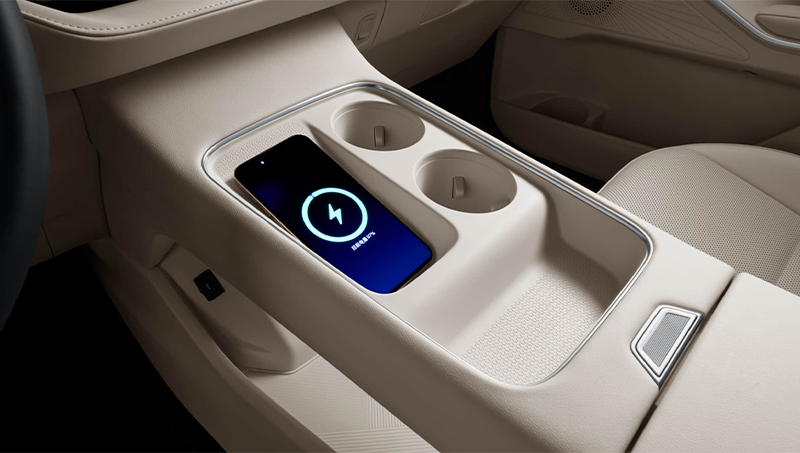
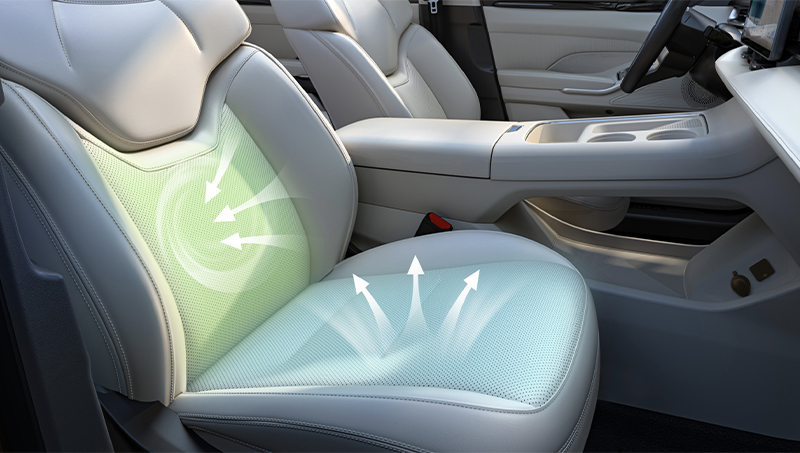
The Changan CS75 Plus measures 4,770×1,910×1,705 mm with a wheelbase of 2,710 mm; its standard boot capacity is 725 litres, expandable to 1,620 litres. While the Changan CS75 Plus is longer and wider, the Haval H6 has a longer wheelbase and greater overall height, giving it an advantage in headroom and longitudinal space utility – especially suitable for family outings.
1. What kind of vehicle is the Haval H6?
The Haval H6 is a compact SUV from the Haval brand that has led SUV sales in China for more than a decade. It combines balanced overall capability, extreme value for money, and a strong reputation among Chinese families. Positioned primarily in the RMB 100,000–130,000 bracket, it targets budget‑conscious family buyers seeking durability and practicality.
2. What are the Haval H6’s core competitive strengths?
Its core strengths lie in the combination of extreme value, well‑rounded product attributes, and market reputation. Key points include:
① Nearly 4 million units on the road, keeping repair and maintenance costs low;
② A comfortable, smooth powertrain tune and solid chassis suited to family needs;
③ A 14.6‑inch large screen and Level 2 ADAS, meeting mainstream expectations;
④ Transaction prices as low as RMB 60,000–70,000, delivering outstanding value.
3. What are the main differences between the Haval H6 and the CS75 Plus, and how should one choose between them?
Powertrain performance: The Changan CS75 Plus’s 1.5T engine is more powerful, with the 8‑speed automatic providing both smoothness and punch; the Haval H6’s tune is milder, delivering relaxed and seamless acceleration.
Smart cabin: The Changan CS75 Plus’s triple‑screen layout and electronic column shifter give it a technological edge; the Haval H6’s dual‑screen plus physical buttons is more pragmatic but slightly conservative.
Braking: The Changan CS75 Plus’s 39.45 m (100–0 km/h) braking distance beats the Haval H6’s 40.21 m.
Value for money: The Haval H6 wins on “low price, big space”, making it the top entry‑level choice around RMB 100,000; the Changan CS75 Plus Plus offers stronger power and more tech features at a similar price point.
Choice advice:
Choose the Haval H6 if reputation and peace of mind are your primary purchasing criteria, and you prioritise extreme value and dependability over outright power or cutting‑edge technology.
Choose the Changan CS75 Plus if you have a slightly larger budget and are drawn to stronger power delivery, the smoothness of an 8‑speed automatic, and a high‑tech triple‑screen ambience.
User Comments
Ke: This car is not bad at all.
Zi: The classic Haval H6 is only a bit over RMB 90,000 on the road – what more could you ask for?
Advanced Search
Recommended Models
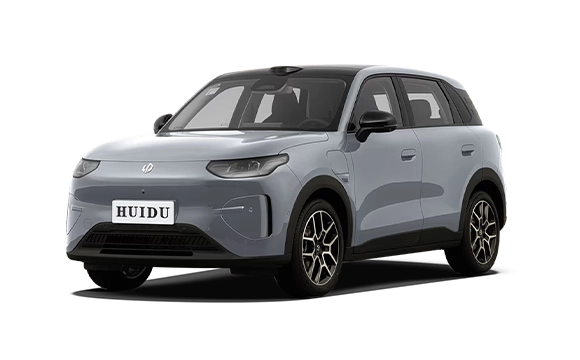
Leapmotor-Leapmotor A10
Updated: Jul,07,2026
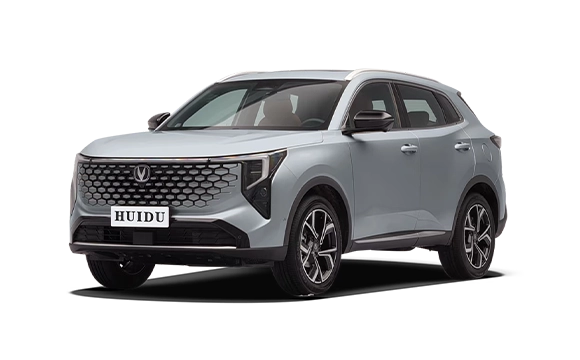
ChangAn-CS55 PLUS 2026
Updated: Jul,07,2026
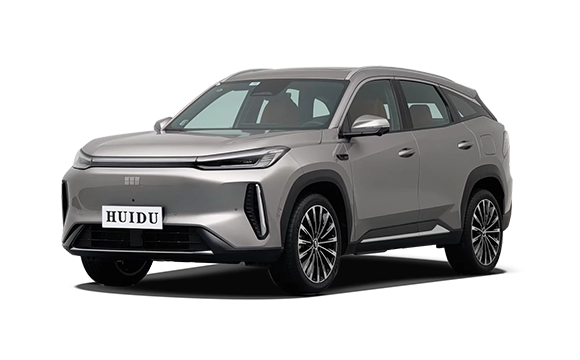
Geely-Galaxy-Geely Galaxy M7
Updated: May,28,2026
Related News
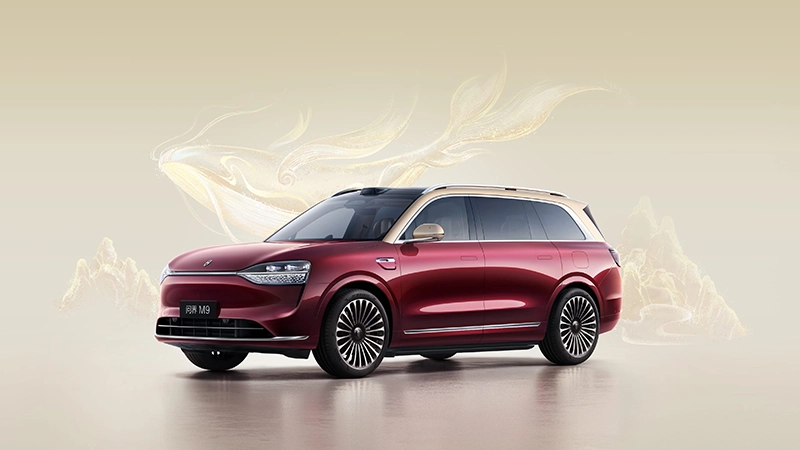
A pioneering creation in the new energ...
Nov,05,2025
Geely Galaxy M9: Reshaping the Large S...
Nov,06,2025
All trims of the Tang L DM are equippe...
Nov,05,2025
What are your thoughts on this car?
* Required Fields