

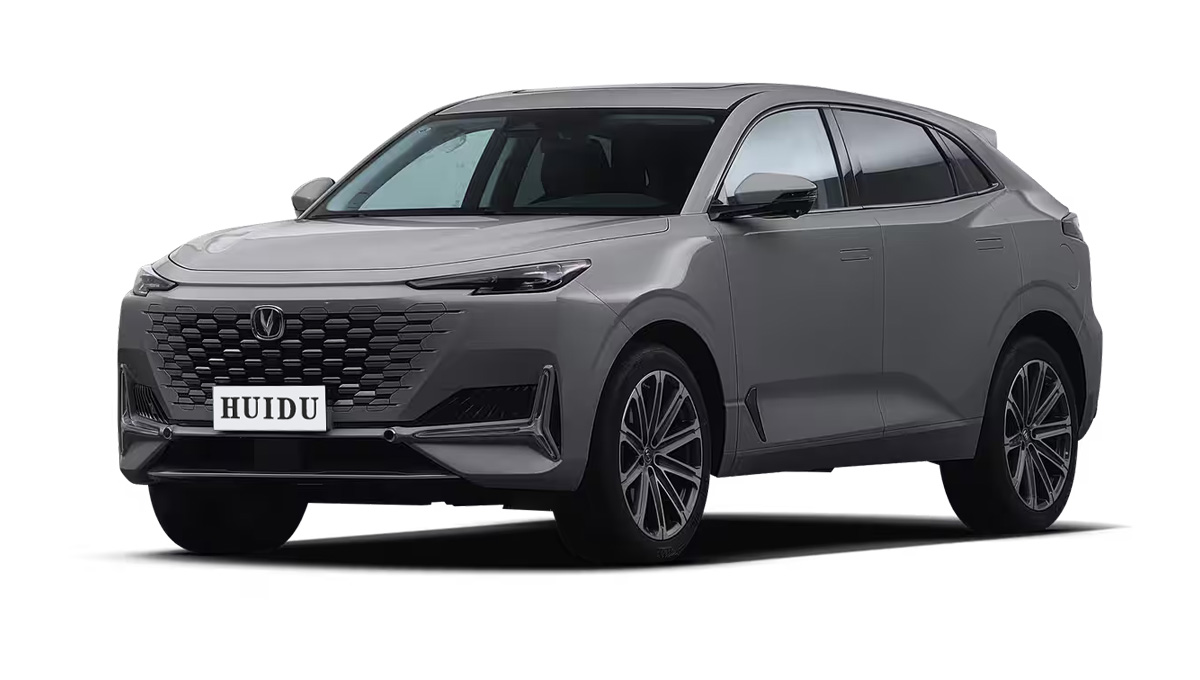
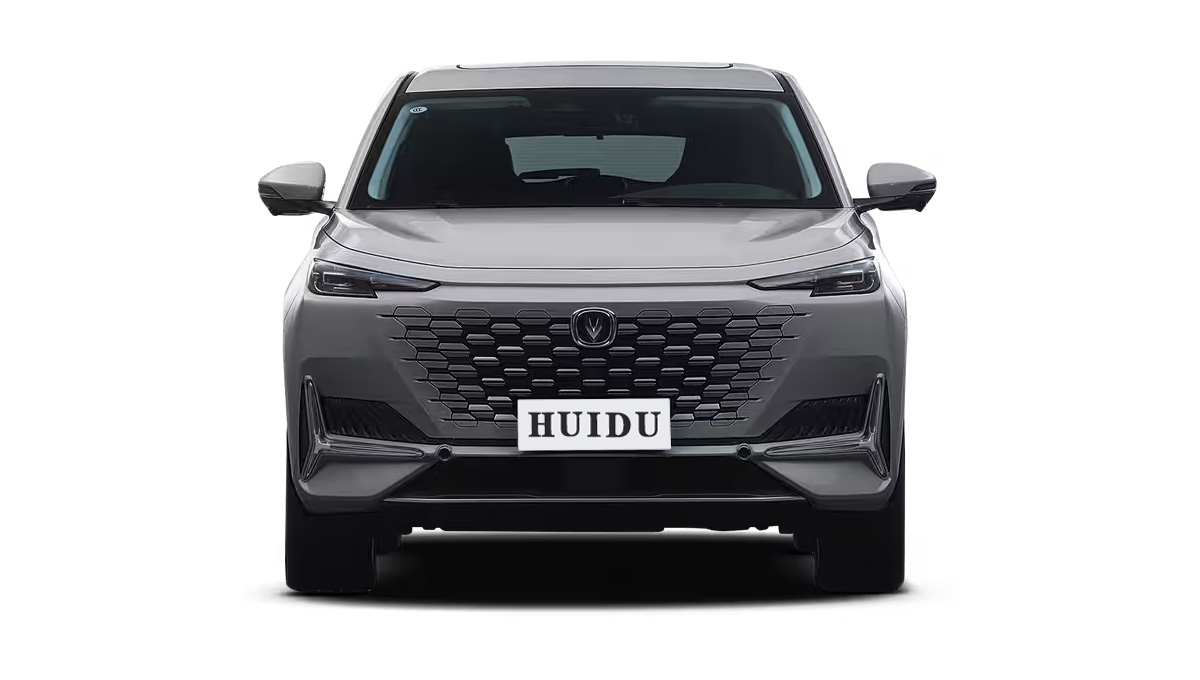
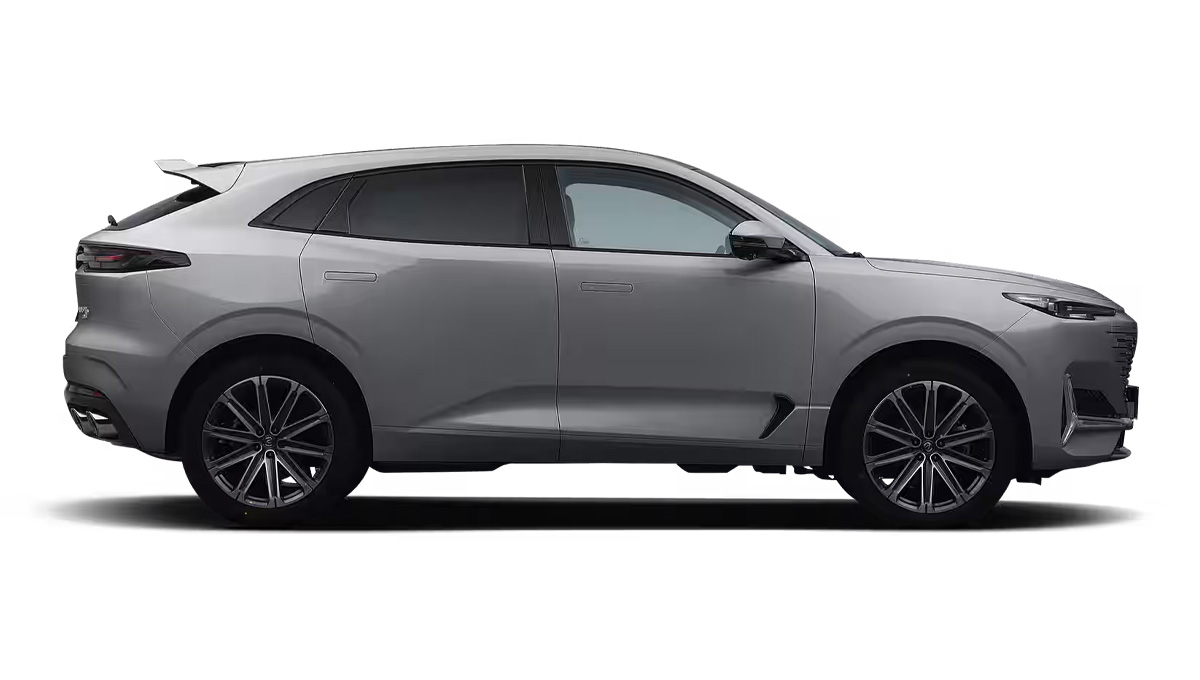
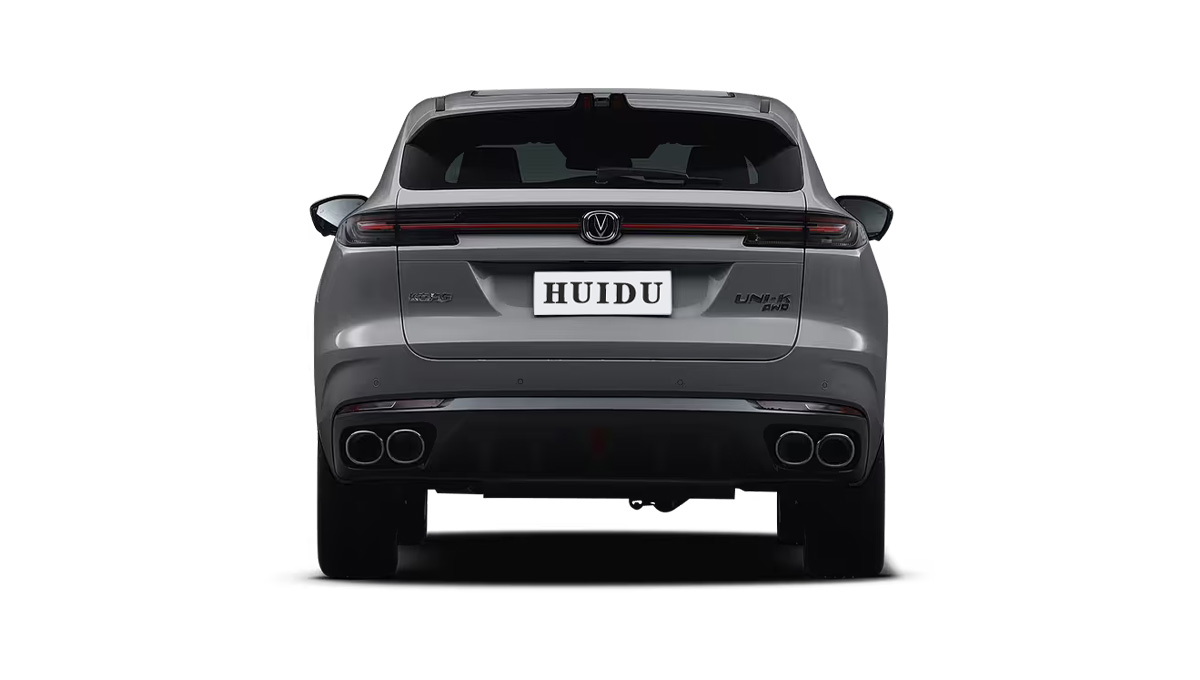
Amid the fiercely competitive midsize SUV segment, the Changan UNI-K has entered the fray with an almost “class-transcending” presence. It aims to lure core customers traditionally loyal to joint-venture brands by offering dimensions and specifications far exceeding its price bracket, futuristic design language, and a flagship-grade powertrain. On the road, the Changan UNI-K’s Blue Whale 2.0L turbocharged direct-injection engine (1998cc) delivers a composed and confident driving experience befitting its substantial size.
With a maximum output of 171 kW and peak torque of 390 N·m, paired with an Aisin-sourced 8-speed automatic transmission, the powertrain prioritizes smooth, linear delivery over abrupt acceleration. Throttle response in the initial range is calm and predictable, with turbo boost arriving seamlessly—ideal for relaxed urban commuting. When pushed harder, the gearbox downshifts promptly, unleashing a broad torque plateau that propels this nearly 1.9-tonne five-seater SUV with ample authority during highway overtakes, backed by strong reserve power.


By contrast, the Toyota RAV4 (2.0L gasoline variant) employs the M20D-FKS engine (1987cc), producing 126 kW and 209 N·m, mated to a CVT. Its philosophy centers entirely on smoothness and fuel efficiency. While throttle response remains linear, its outright performance lags significantly behind the Changan UNI-K—a generational gap in dynamic capability. Under hard acceleration, the CVT holds engine revs high, resulting in noticeable engine drone without delivering commensurate thrust. This dichotomy reflects a deeper clash of values: the Changan UNI-K embodies a “downsized premium” Chinese flagship aiming to redefine expectations, while the RAV4 remains a disciplined, reliable benchmark from the joint-venture camp.
In terms of cabin quietness, the Changan UNI-K comes standard with laminated acoustic glass and extensive sound-absorbing materials, achieving noise isolation levels that surpass its class. At idle, the cabin feels as serene as the deep ocean. The RAV4, however, exhibits more pronounced wind and engine noise at highway speeds—a trade-off inherent to its focus on cost efficiency and weight reduction.
“The arrival of the Changan UNI-K marks the first time consumers with a ¥200,000 budget can legitimately demand ‘luxury’ from a domestic-brand SUV. It isn’t trailing behind joint-venture models—it’s redefining the experiential baseline at this price point.”— Zheng Yuan, Senior Automotive Analyst
The Changan UNI-K’s Aisin 8AT performs diligently. In Normal mode, it upshifts early to maintain low, fuel-efficient RPMs; in Sport mode, it holds gears longer to keep torque readily available. Thanks to its torque converter, low-speed crawling and stop-and-go traffic are handled with flawless smoothness and zero jerkiness. Meanwhile, the RAV4’s Direct Shift-CVT simulates 10 ratios and uses a physical gear launch to mitigate traditional CVT sluggishness, achieving commendable smoothness and efficiency. Yet under aggressive acceleration, the characteristic “rubber-band” sensation of belt-driven CVTs and elevated engine noise remind drivers that this is fundamentally an economy-focused family vehicle.

Suspension-wise, the Changan UNI-K features a MacPherson front and multi-link rear setup, augmented by frequency-selective damping (FSD) shock absorbers. Tuned unapologetically for comfort, it “irons out” minor road imperfections with remarkable finesse. Larger bumps are absorbed with composure, and body motions remain well-controlled. Steering is light with moderate dead zone—responsive enough for daily use but clearly not oriented toward sportiness. Equipped with 265/45 R21 Continental MC6 tires, the Changan UNI-K achieves a tested 100–0 km/h braking distance of approximately 36.5 meters, demonstrating excellent grip and linear, stable pedal feel.
The RAV4 shares a similar suspension architecture (MacPherson front, E-type multi-link rear) but with a firmer, more resilient tuning that transmits clearer road feedback. Its steering is heavier with natural self-centering, offering better driver engagement. Fitted with 225/60 R18 tires optimized for durability and economy, its braking distance measures around 39.8 meters—solidly within mainstream expectations.
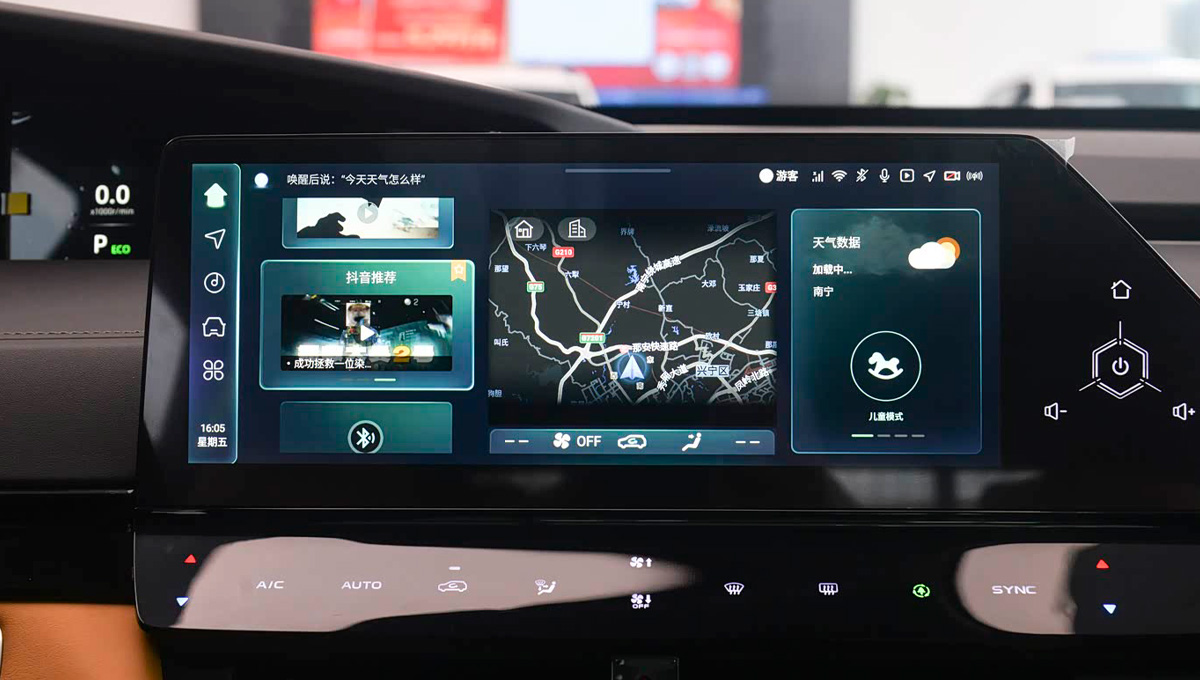
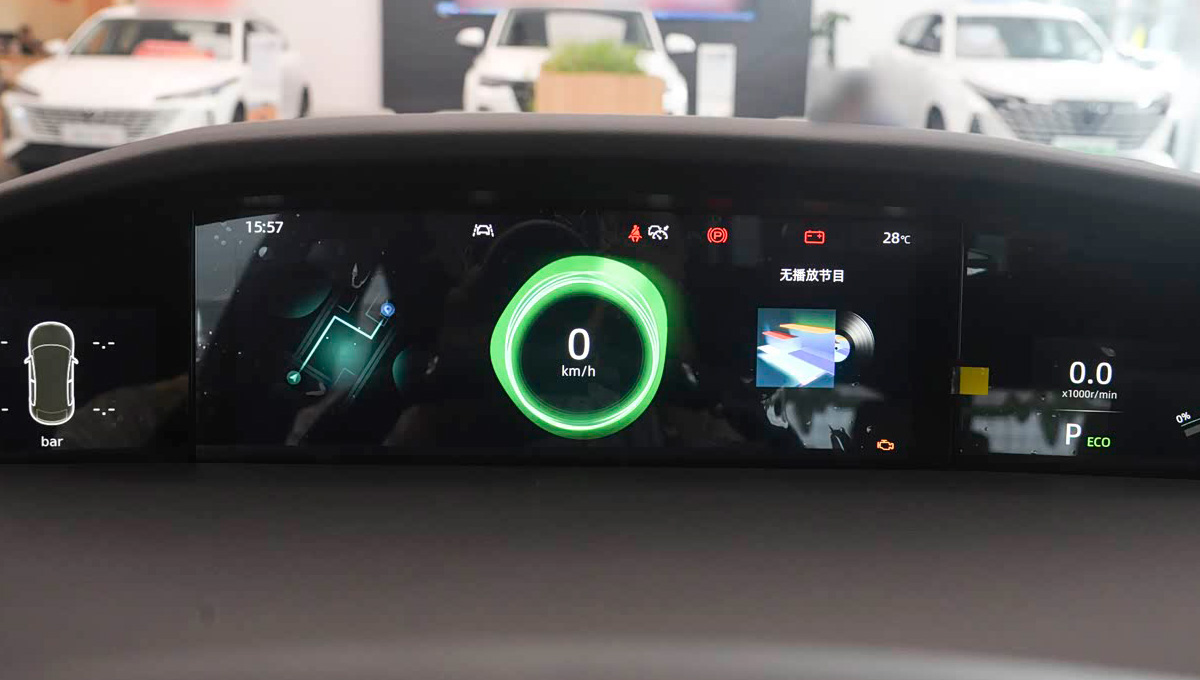
The Changan UNI-K’s cabin is nothing short of revolutionary. Its “3+1” quad-screen layout—comprising a 3.5-inch + 10.25-inch + 9.2-inch digital instrument cluster and a 12.3-inch central touchscreen—is arranged asymmetrically to simulate augmented-reality navigation, creating an immersive sci-fi ambiance. The flat-bottom steering wheel takes some getting used to but offers a solid grip. Premium touches abound: NAPPA-textured leather, contrast stitching, piano-black trim, and brushed metal elevate both tactile and visual quality to a segment-transcending level. The “zero-gravity” seats feature exceptionally thick padding and superb lateral support.
In stark contrast, the RAV4 adheres to pragmatic minimalism. Its conventional T-shaped dashboard centers a floating 10.1-inch screen—functional yet dated in UI design and responsiveness compared to the Changan UNI-K. Hard plastics dominate, reflecting its entry-level joint-venture positioning with honest, if uninspiring, material quality.
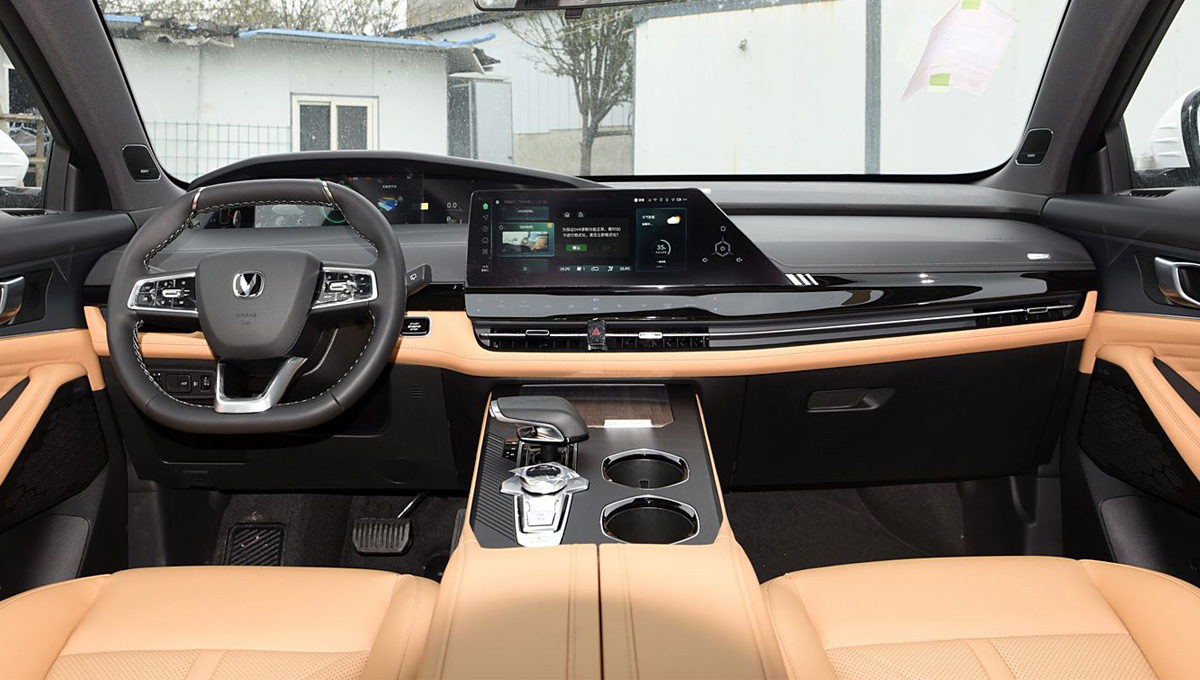
On the tech front, the Changan UNI-K’s IMS intelligent interaction system supports gesture control, facial recognition, driver fatigue monitoring, and OTA updates, forming a rich digital ecosystem. The RAV4’s Toyota Connect offers basic services like navigation and streaming audio but lacks depth in extensibility and interactivity. Where the RAV4 shines is in driver assistance: all trims come standard with Toyota Safety Sense 2.0 (TSS 2.0), a mature and reliable L2 suite featuring pre-collision warning, lane tracing assist, and dynamic radar cruise control. The Changan UNI-K matches this on higher trims with its IACC integrated adaptive cruise system, though it’s not standard across the board.
“The Changan UNI-K’s cockpit feels like the bridge of a starship—it tells you the future of motoring has already arrived through its screen density and interaction logic. The RAV4’s interior, meanwhile, resembles a dependable tool: functional, durable, but emotionally inert.”— Lin Lan, Senior Editor, Autohome
As a midsize SUV, the Changan UNI-K boasts a 2890 mm wheelbase—200 mm longer than the RAV4’s 2690 mm. Rear legroom is lavish: a 180 cm-tall passenger can comfortably cross their legs. The reclining seatbacks, generous seat cushions, and completely flat floor ensure limousine-like comfort, even for the middle occupant. The trunk is spacious and regular-shaped; folding the rear seats yields a near-flat load floor ideal for bulky cargo.
Toyota’s packaging expertise ensures the RAV4 remains highly practical, with adequate rear space and thoughtful storage details like tie-down hooks and cargo nets. Yet it simply cannot match the Changan UNI-K’s sheer spatial generosity.
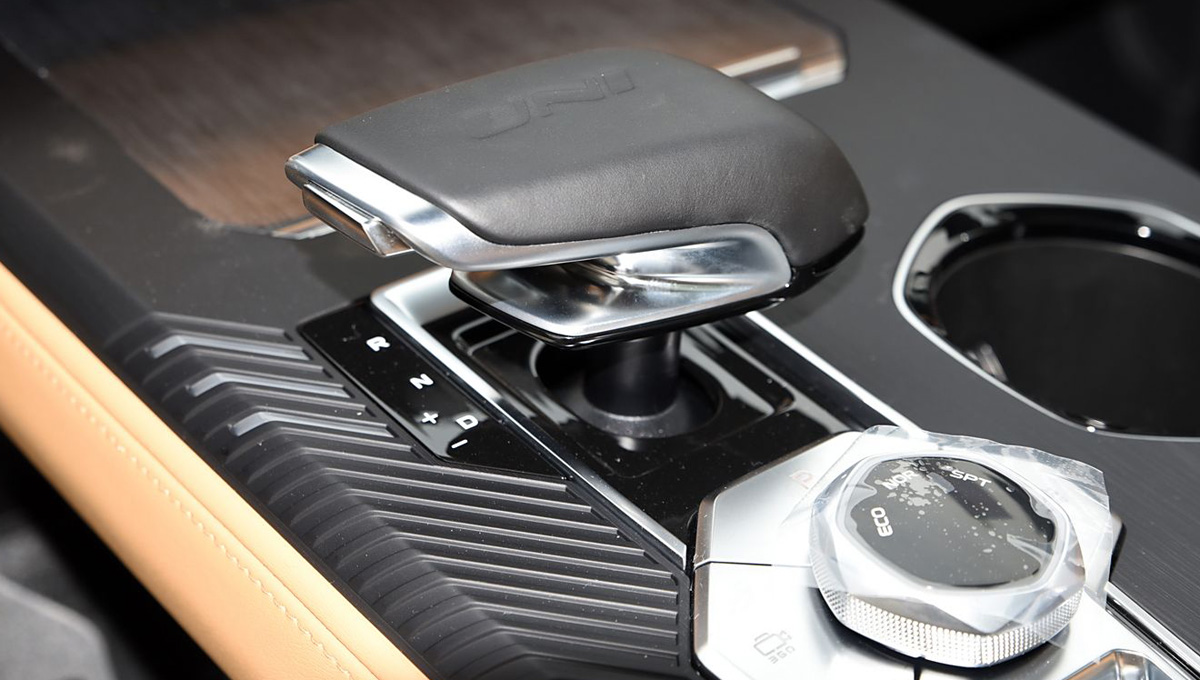
Storage solutions reflect differing philosophies: the Changan UNI-K offers ample door bins, cupholders, and a roomy center console, though its open lower dash area is less clever than the RAV4’s. Toyota excels in ergonomic intuitiveness—small items always have a logical place. In essence, the Changan UNI-K wins through dimensional dominance, while the RAV4 triumphs via human-centered design refinement.
Choosing the Changan UNI-K signals a willingness to trade brand prestige for tangible, segment-defying value. Opting for the RAV4 means paying a premium for peace of mind and long-term asset preservation.
1.What kind of vehicle is the Changan UNI-K?
The Changan UNI-K is the flagship midsize SUV in Changan’s UNI series, positioned as a premium “large five-seater.” It targets families seeking high quality, strong value, and cutting-edge experiences, centered on its 2.0T Blue Whale engine, Aisin 8AT, expansive space, and futuristic cockpit.
2.What are the Changan UNI-K’s key strengths?
Rare 2.0T + 8AT powertrain in its class
Rear space and seating comfort rivaling larger SUVs
Distinctive “interstellar” design and quad-screen smart cockpit
Class-leading NVH performance
3.What is its fuel consumption?
The Changan UNI-K 2.0T achieves a WLTC-rated combined fuel economy of approximately 8.0–8.5 L/100 km, rising to around 10 L/100 km in city driving—typical for its displacement. The RAV4 2.0L consumes about 6.0–7.0 L/100 km, holding a clear efficiency advantage.
User Comments
Xu: “Owned it for over a year—striking looks, huge space, strong power, packed features, affordable price, great value, and rock-solid reliability. No regrets. It just keeps growing on me.”
Xiong: “A really solid car—and now even more affordable.”
Advanced Search
Recommended Models
Mazda-Mazda EZ-60
Updated: Mar,02,2026

GAC Trumpchi-Trumpchi ES9
Updated: Feb,26,2026

Zeekr-Zeekr 001FR
Updated: Feb,27,2026
Related News
A pioneering creation in the new energ...
Nov,05,2025
Geely Galaxy M9: Reshaping the Large S...
Nov,06,2025
All trims of the Tang L DM are equippe...
Nov,05,2025
What are your thoughts on this car?
* Required Fields