

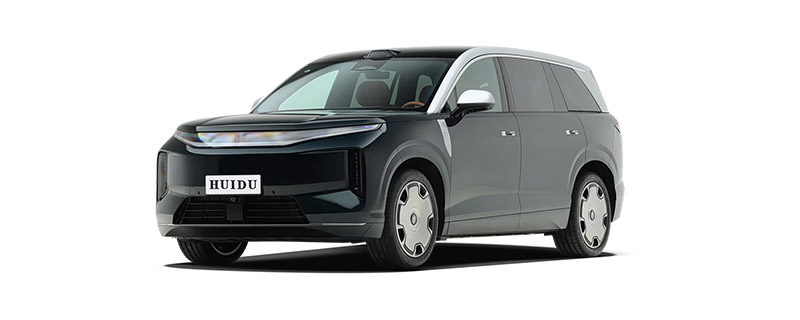
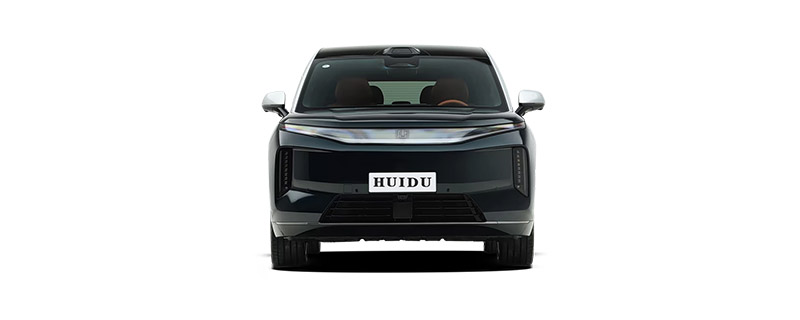
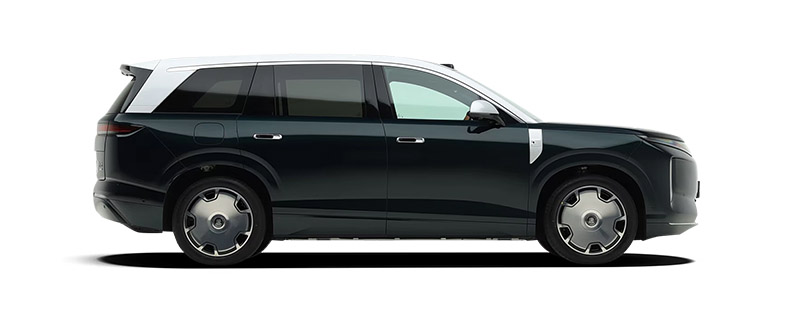
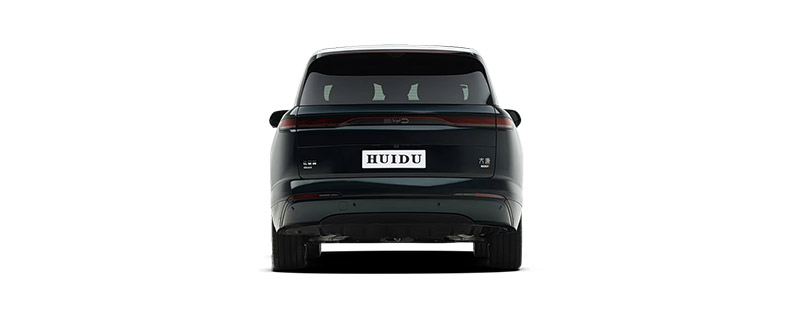
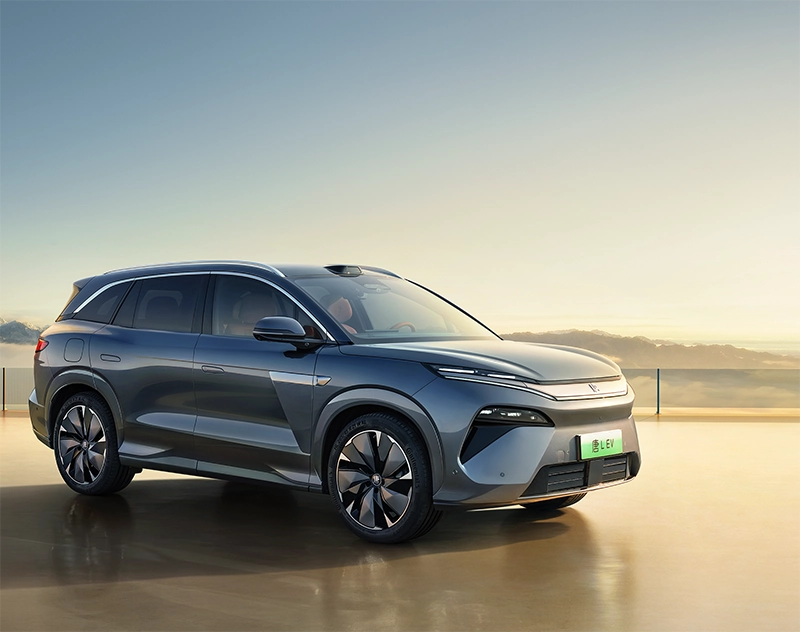
In the 300,000–450,000 RMB full‑size SUV segment, which has long been dominated by the Li Auto L9 as the “family flagship” with its range‑extender powertrain that eliminates range anxiety, the BYD Tang L arrives with the ambition of a game‑changer. Officially unveiled in 2026 as the flagship SUV of BYD’s Dynasty series, the Tang L (often referred to as the “Great Tang”) immediately drew attention with the prominent “4.9S” badge on its tail. As a culmination of BYD’s latest technologies, the Tang L aims to directly challenge premium SUVs such as the Li Auto L9 and the AITO M9 by offering a full‑size body over 5.2 metres in length, a 4.9‑second 0‑100 km/h sprint, megawatt fast‑charging capability, and a competitive price tag in the 300,000‑RMB class.
In real‑world driving, the Tang L is available in both pure‑electric and plug‑in hybrid (PHEV) variants. The PHEV version adopts BYD’s fifth‑generation DM technology, featuring a 1.5‑litre turbocharged engine (1,498 cc) with an output of 115 kW. The hybrid model comes in two‑wheel‑drive and all‑wheel‑drive configurations: the two‑wheel‑drive variant uses a 200‑kW drive motor, while the all‑wheel‑drive version employs two 200‑kW motors (front and rear), achieving a 0‑100 km/h time of just 4.3 seconds. The all‑electric variant, built on BYD’s global 1,000‑volt platform, delivers a combined output of 810 kW in its four‑wheel‑drive guise and sprints from 0 to 100 km/h in 3.6 seconds. The throttle response is tuned primarily for smoothness – initial pedal travel offers a linear and gentle delivery, yet a deep press unleashes a torrent of torque that remains firmly controlled by the chassis. This “composed brutality” is the essence of a flagship electric drivetrain.


By comparison, the Li Auto L9 comes standard with a dual‑motor all‑wheel‑drive system, a 1.5‑litre four‑cylinder range extender (also 1,498 cc, rated at 115 kW), and a total electric motor output of 420 kW (571 hp) with 710 N·m of torque, achieving a 0‑100 km/h time between 4.9 and 5.18 seconds. The two models embody fundamentally different powertrain philosophies: the Tang L pursues a dual‑pronged approach of pure‑electric and plug‑in hybrid powertrains, offering both performance and rapid recharging; the Li Auto L9, in contrast, follows the “range‑extender with no anxiety, comfort first” family‑oriented route.
In terms of range, the Tang L PHEV offers a CLTC pure‑electric range of 230 km and a combined range exceeding 1,300 km. The pure‑electric version, based on an 800‑volt high‑voltage platform, delivers a CLTC range of up to 950 km and supports megawatt flash‑charging technology, which can recharge the battery from 10% to 70% in just 5 minutes and from 10% to 97% in 9 minutes. The Li Auto L9, equipped with a 72.7‑kWh ternary‑lithium battery, has a CLTC pure‑electric range of 420 km and a combined range of 1,650 km. Their recharging strategies diverge sharply: the Tang L compresses charging time to refuelling levels via megawatt flash charging, while the Li Auto L9 relies on a “fuel tank + battery” combination to banish range anxiety entirely.
“The BYD Great Tang surpasses its rivals in size, charges faster than you can fill a tank, and handles more nimbly than an X7. It is a Chinese model that transforms the full‑size SUV from a ‘status symbol’ into a truly practical workhorse.”
Settling into the Tang L’s cockpit, the sheer presence of a body over 5.2 metres long and a wheelbase of 3.13 metres provides a commanding, panoramic view. The steering wheel feels substantial, with a light yet precise weighting. The standard DiSus‑A intelligent air suspension, combined with a LiDAR‑based preview system, adjusts damping in milliseconds to balance ride comfort and handling. On urban roads, the air suspension isolates minor imperfections with remarkable thoroughness; when traversing speed bumps, second‑row passengers barely perceive any jolt, with the ride described as “as smooth as a subway train pulling into a station.” During sharp cornering, the DiSus‑A system effectively curbs body roll, maintaining a stable stance. With a turning radius of only 5.2 metres – smaller than the BMW X7, Mercedes‑Benz GLS, and Li Auto L9 – the Tang L can perform U‑turns on narrow streets without the need for multiple shunts.

The Li Auto L9, by contrast, comes with a full‑line‑controlled chassis and an 800‑volt fully active suspension, supporting four‑wheel independent control and rear‑wheel steering. While the Li Auto L9 excels in ride solidity and high‑speed stability, owing to its more mature tuning and all‑aluminium chassis, the Tang L’s DiSus‑A air suspension carves out a distinct advantage in damping refinement and intelligent predictive capability.
The Tang L is equipped with a high‑performance braking system; certain trims feature Brembo four‑piston calipers and ventilated disc brakes. Drawing from the braking performance of the Tang DM on the same platform, the 100‑0 km/h stopping distance is estimated at approximately 36‑38 metres. The Li Auto L9, in independent tests, records a 100‑0 km/h braking distance of 37.04‑38.2 metres. Both models are thus in the same league, with the Tang L holding a slight edge in hardware specification.
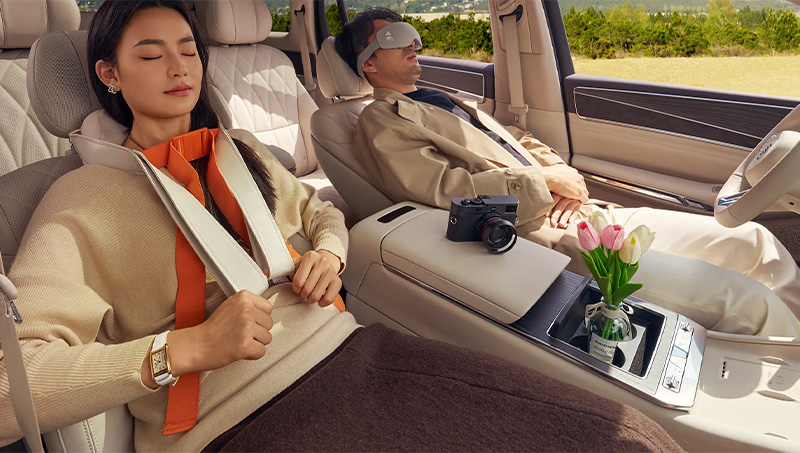
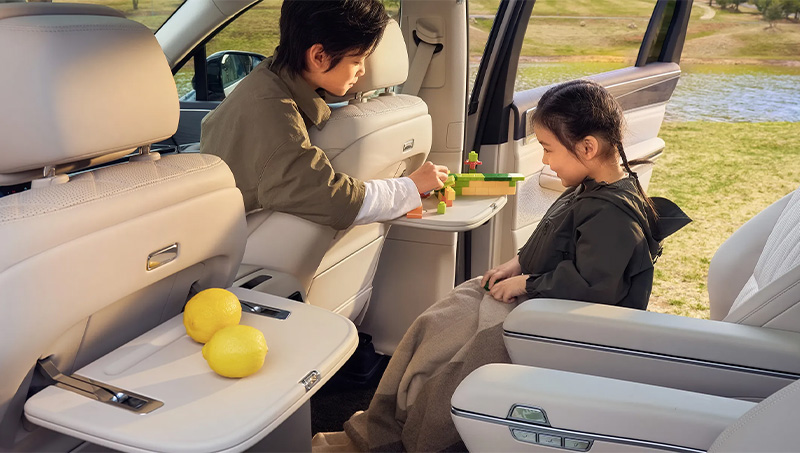
Inside, the Tang L features Nappa leather and genuine wood trim, with a six‑seat layout that includes heating, ventilation, and massage functions for all seats, and a second‑row armrest touchscreen that elevates the luxury ambience. On the technology front, a 15.6‑inch 8‑core adaptive rotating screen runs the DiLink 6.0 system, supporting 5G connectivity, multi‑screen interaction, and full‑scene voice control. The cabin also comes with a refrigerator, a folding ceiling screen, and foldable tables – amenities that are far from mere decoration; they are genuinely practical for family outings. The 11‑layer cloud‑soft Nappa leather seats and a dual‑zone refrigerator further reinforce the flagship feel. A roof‑mounted LiDAR underpins the “God’s Eye B” advanced driver‑assistance system, enabling both highway and urban navigation‑assisted driving.
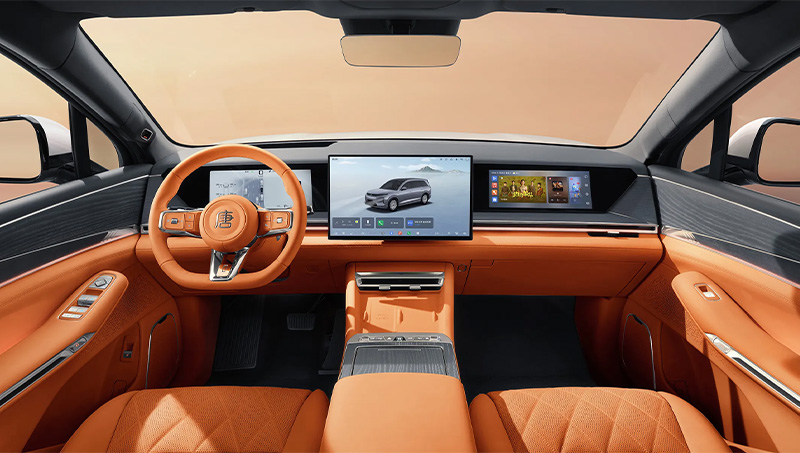
The Li Auto L9’s interior is equally benchmarked against the “family flagship” concept, equipped with a Qualcomm Snapdragon 8797 chip, dual 15.7‑inch displays, a rear ceiling screen, and a 21‑speaker sound system. In terms of cockpit chip computing power and screen size, the two models are closely matched, but the Tang L’s DiLink 6.0 system distinguishes itself with its richer app ecosystem and the unique rotating screen. The Li Auto L9, however, has already proven its ADAS hardware maturity and multi‑screen interaction depth through extensive real‑world validation.
On the intelligent driving front, the Tang L employs a LiDAR + Orin‑X chip combination, supporting urban NOA and full‑scene parking. The Li Auto L9 uses dual Mach M100 chips (2,560 TOPS total) and supports both highway and urban navigation‑assisted driving. Both models sit at the forefront of the industry in terms of ADAS hardware. The Li Auto L9 holds a slight advantage in user‑experience maturity due to its earlier deployment, while the Tang L, as a latecomer, demonstrates strong momentum in catching up.
“Step into the Tang L, and you are greeted by the premium feel of Nappa leather and wood trim; step into the Li Auto L9, and you experience the warm, tech‑savvy ambiance of a family flagship.” – Chief Editor, Drive & Control
Space is the core battleground where the Tang L takes on the Li Auto L9. With a body length exceeding 5.3 metres and a wheelbase of 3.13 metres – 47 mm longer than the Li Auto L9 – the Tang L offers ample legroom for adults up to 1.8 metres tall in the third row, with no need to scrunch. The second‑row independent seats are equipped with leg rests and can be fully reclined; the third‑row seats feature electric angle adjustment and heating. The Li Auto L9 measures 5,218 mm in length and has a wheelbase of 3,105 mm. In absolute body size and third‑row space, the Tang L has a clear advantage over the Li Auto L9 – the extra 47 mm in length directly translates into more legroom for third‑row passengers.

The competition between these two models is a direct dialogue between “affordable full‑size excellence” and “premium family flagship.” Choosing the Tang L means securing a full‑size body, megawatt flash charging, and 4.9‑second sprint performance at a budget of 300,000‑400,000 RMB – an experience that punches above its class. Choosing the Li Auto L9, on the other hand, prioritises range‑extender peace of mind, proven ADAS, and brand prestige.
1. What kind of vehicle is the BYD Tang L?
The Tang L is BYD Dynasty series’ flagship full‑size SUV, offered with pure‑electric and plug‑in hybrid powertrains. Its core selling points include a body over 5.2 metres, 0‑100 km/h in 4.9 seconds, megawatt flash charging, and DiSus‑A intelligent air suspension. It targets high‑end family users in the 300,000‑400,000 RMB segment who prioritise exceptional value‑for‑money and full‑size space.
2. What are the Tang L’s core competitive advantages?
Its competitiveness lies in the combination of full‑size dimensions, megawatt flash charging, and extreme price‑performance:
Body over 5.3 metres long with a 3.13‑metre wheelbase; the third row accommodates adults up to 1.8 m tall, outperforming rivals in space;Megawatt flash charging adds 400 km of range in 5 minutes – faster than refuelling;4.9‑second sprint and DiSus‑A air suspension deliver both performance and comfort;Up to 950 km of CLTC range (pure‑electric) and 230 km pure‑EV / 1,300 km combined (PHEV);Priced at 320,000‑420,000 RMB, offering outstanding value.
3. What are the main differences between the Tang L and the Li Auto L9, and which should I choose?
Body size: Tang L is over 5.3 m long, 47 mm longer than the Li Auto L9, providing more generous third‑row space.
Powertrain: Tang L offers pure‑electric and PHEV options; the PHEV does 0‑100 in 4.3 s, the BEV in 3.6 s. The Li Auto L9 is range‑extender only, with 0‑100 in 4.9‑5.18 s.
Recharging: Tang L’s megawatt flash charging adds 400 km in 5 min; the Li Auto L9 supports 800 V fast charging but cannot match that speed.
Suspension: Tang L uses DiSus‑A intelligent air suspension with LiDAR preview, offering excellent damping; the Li Auto L9 uses a full‑line‑controlled chassis with rear‑wheel steering for agile handling.
Price: Tang L 320,000‑420,000 RMB; Li Auto L9 409,800‑509,800 RMB.Which to choose? Opt for the Tang L if you seek extreme value, full‑size space, and rapid recharging efficiency. Choose the Li Auto L9 if you prioritise range‑extender range confidence, mature ADAS, and brand cachet.
User Comment
Shizi: Overall, it’s a pretty solid performer.
Advanced Search
Recommended Models
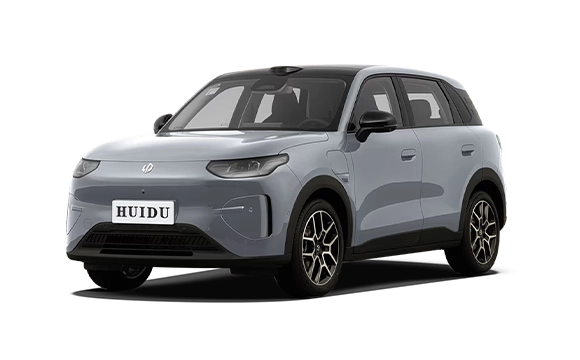
Leapmotor-Leapmotor A10
Updated: Jul,07,2026
ChangAn-CS55 PLUS 2026
Updated: Jul,07,2026
Geely-Galaxy-Geely Galaxy M7
Updated: May,28,2026
Related News
A pioneering creation in the new energ...
Jul,21,2026
Geely Galaxy M9: Reshaping the Large S...
Jul,21,2026
All trims of the Tang L DM are equippe...
Jul,21,2026
What are your thoughts on this car?
* Required Fields