

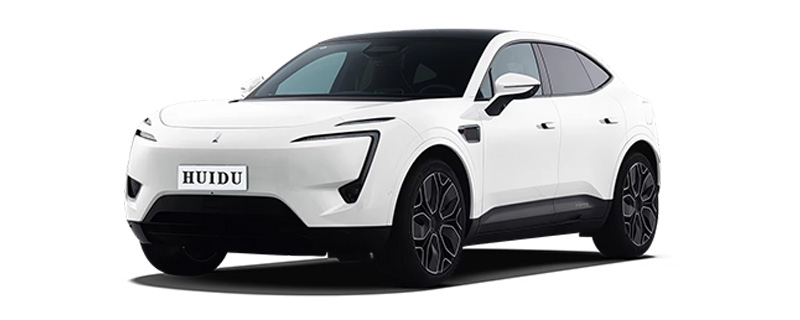
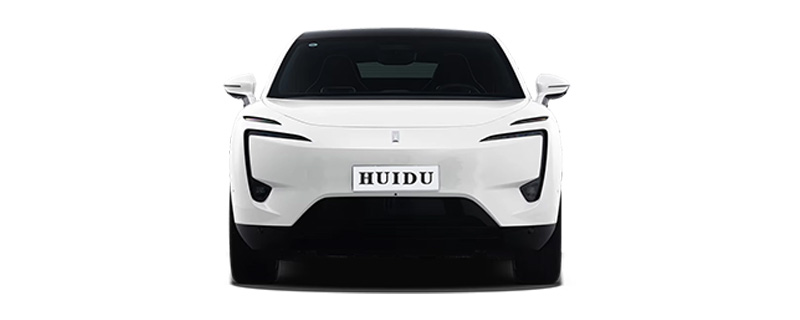
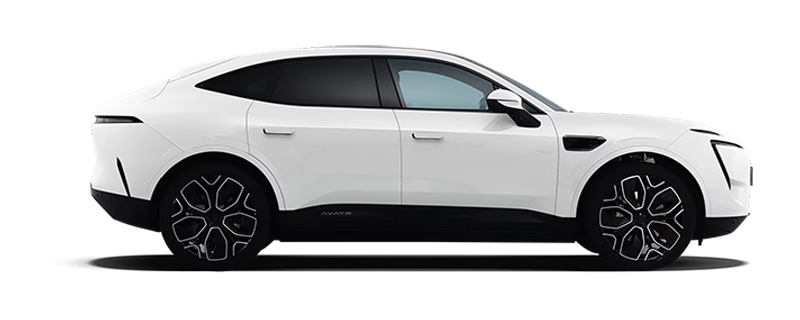
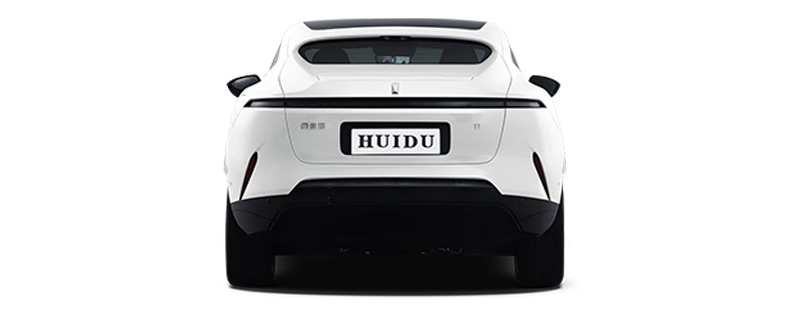
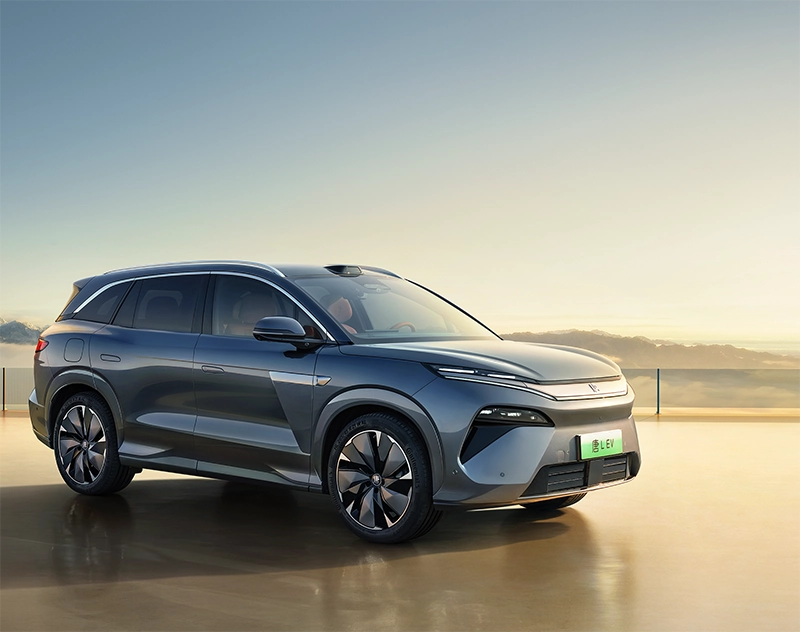
In an era where the high-end new energy SUV market is dominated by traditional luxury marques and emerging startups, the Avatr 11 has made a bold entrance with its philosophy of “Emotional Intelligence.” Positioned as a technological pioneer, it aims to reset the value benchmark for intelligent electric vehicles in the 300,000–400,000 RMB price range through avant-garde design, Huawei’s full-stack intelligence, and ultra-fast charging capabilities.
On the road, the Avatr 11, equipped with the Huawei DriveONE dual-motor all-wheel-drive system, delivers performance commensurate with its futuristic positioning. The front motor produces a maximum power of 195 kW, while the rear motor outputs 230 kW, culminating in a combined system output of 425 kW and a peak torque of 650 N·m. The throttle calibration is linear and refined; initial response is sharp yet never abrupt, allowing power to unfold smoothly. When the accelerator is depressed deeply, the immense torque is instantly unleashed, propelling this 2.3-ton vehicle from 0 to 100 km/h in just 3.98 seconds, with abundant reserve power remaining in the mid-to-high speed ranges.


In contrast, the AITO M7 (AWD version) pairs a 1.5L turbocharged range extender (1,499 mL displacement) with dual motors, generating a combined 330 kW and 660 N·m of torque. Its power delivery prioritizes “smooth comfort,” with a more subdued initial throttle response that mimics the composed demeanor of traditional luxury SUVs—less aggressive, more family-oriented. The philosophical divergence is clear: the Avatr 11 is a “tech-forward sprinter ready to launch,” whereas the M7 serves as a “serene family cruiser.”
Regarding range, the Avatr 11 offers CATL ternary lithium battery packs of either 90 kWh or 116 kWh, delivering a CLTC pure-electric range of 630–730 km. It supports 750V high-voltage fast charging, capable of adding 200 km of range in just 10 minutes. Conversely, the M7’s extended-range version provides approximately 200 km of pure-electric range but boasts a comprehensive range exceeding 1,200 km. While the Avatr 11’s pure-electric architecture offers greater environmental benefits, the M7’s hybrid approach effectively eliminates range anxiety.
“The arrival of the Avatr 11 is not merely about following existing trajectories; it leverages Emotional Intelligent design and Huawei’s full-stack technology to grant users access to a truly intelligent mobility experience.”— Su Yan, Intelligent Automotive Observer
Stepping into the Avatr 11’s cockpit, the wraparound layout and sporty seats immediately establish a combat-ready ambiance. The steering wheel offers a solid grip, with weighting that leans slightly toward the heavier side, ensuring precise directional control. In urban environments, the chassis—featuring a front double-wishbone and rear five-link independent suspension—is tuned for sporty support. It filters out minor road imperfections decisively, providing clear road feedback without being intrusive. Over speed bumps, the suspension acts with compactness, maintaining stable body posture. At highway cruising speeds, the vehicle exhibits remarkable stability, with wind and road noise insulation ranking among the best in its class.
The AITO M7, by comparison, prioritizes comfort in its chassis tuning. Utilizing a front MacPherson and rear multi-link setup, its overall character is softer, absorbing bumps more thoroughly to enhance passenger tranquility. However, during rapid cornering, body roll is more pronounced than in the Avatr 11, reflecting its dedication to “steady comfort.”

The Avatr 11’s steering is precise, with agile nose response and well-controlled body lean during fast corners, offering distinct driving pleasure. In Sport mode, the air suspension lowers the ride height, sharpening power delivery further. The M7’s steering is lighter with slightly more free play, catering entirely to comfort rather than driving engagement.
In terms of braking, the Avatr 11 is equipped with Brembo high-performance four-piston aluminum calipers. The brake pedal feel is linear and powerful, achieving a measured 100–0 km/h stopping distance of approximately 35 meters—an excellent result. The M7 also delivers linear braking performance, with a tested stopping distance of around 38 meters.
The Avatr 11’s interior embodies the core concept of “Emotional Intelligence.” A trio of screens—a 10.25-inch digital instrument cluster, a 15.6-inch floating central touchscreen, and a 10.25-inch passenger entertainment display—forms a seamless interactive interface. Powered by Huawei’s HarmonyOS smart cockpit, the system offers top-tier fluidity, supporting seamless device handover, gesture control, facial recognition, and a rich application ecosystem. The uniquely shaped steering wheel ensures comfortable handling. Seats are upholstered in Nappa leather with soft filling and robust support; the front seats feature ventilation, heating, and massage functions.
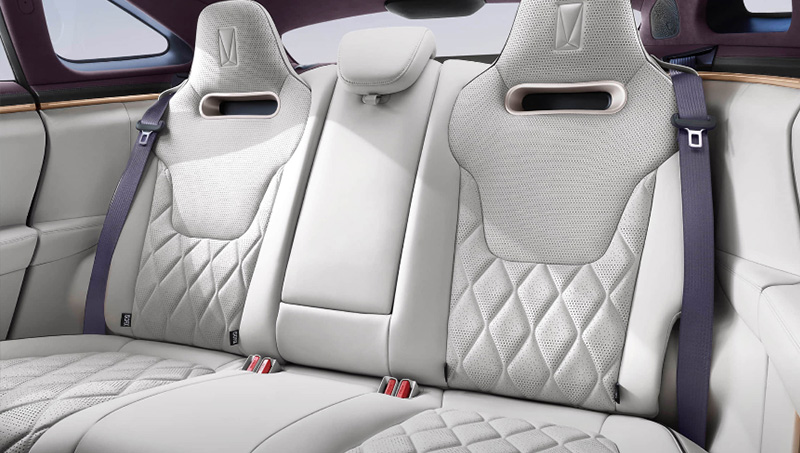
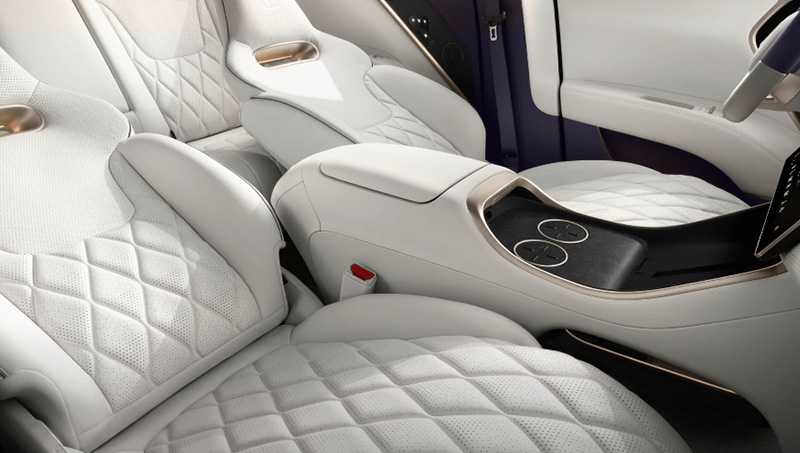
The AITO M7 also features the HarmonyOS smart cockpit with a sizable floating central screen and equally fluid interaction, though the passenger entertainment screen is not standard. Its interior utilizes extensive soft-touch materials, delivering high-quality textures. The key distinction lies in their focus: the Avatr 11’s cabin serves “Emotional Intelligence and design aesthetics,” while the M7’s interior prioritizes “practical comfort.”
Regarding advanced driver-assistance systems (ADAS), the Avatr 11 is equipped with the Huawei ADS 2.0 high-level intelligent driving system, featuring three LiDAR units, six millimeter-wave radars, and 13 cameras. This hardware suite enables full-scenario capabilities including Highway NCA, Urban NCA, and AVP valet parking, setting an industry benchmark. The M7 also utilizes Huawei ADS 2.0 and delivers outstanding performance, albeit with slightly less robust hardware configurations. In this domain, the Avatr 11 holds a clear advantage in sensor specification.
“Entering the Avatr 11’s cabin, one experiences the technological shockwave of Emotional Intelligence; stepping into the M7, one feels the convenient warmth brought by the HarmonyOS ecosystem.”— Li Xiang, Editor-in-Chief, Zhijia Pai
As a sport-styled mid-size SUV, the Avatr 11 offers space metrics consistent with segment standards. With a wheelbase of 2,975 mm, rear legroom accommodates passengers up to 180 cm tall with over two fists of clearance. Headroom, slightly compromised by the fastback roofline, remains acceptable. The trunk is regular in shape with generous capacity, complemented by an additional frunk for extra storage.
The AITO M7, configured as a three-row SUV with a 2,820 mm wheelbase, offers rear legroom comparable to the Avatr 11 but adds a third row, significantly enhancing utility. Thus, while the Avatr 11 excels in sportiness and design flair, the M7 wins on family practicality and seating flexibility.
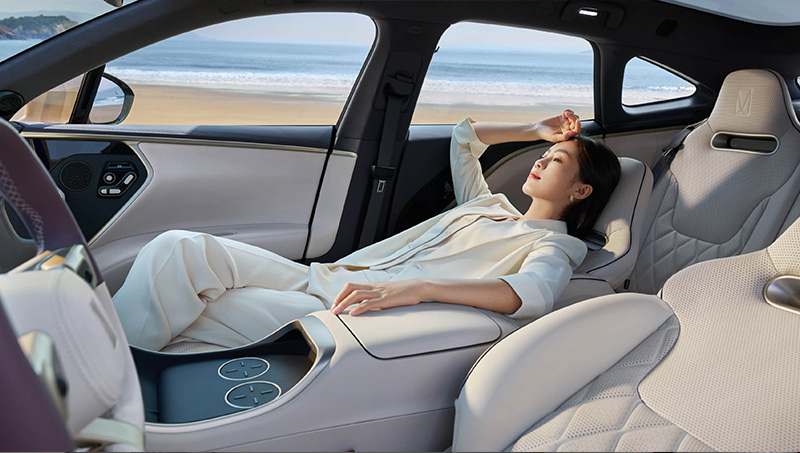
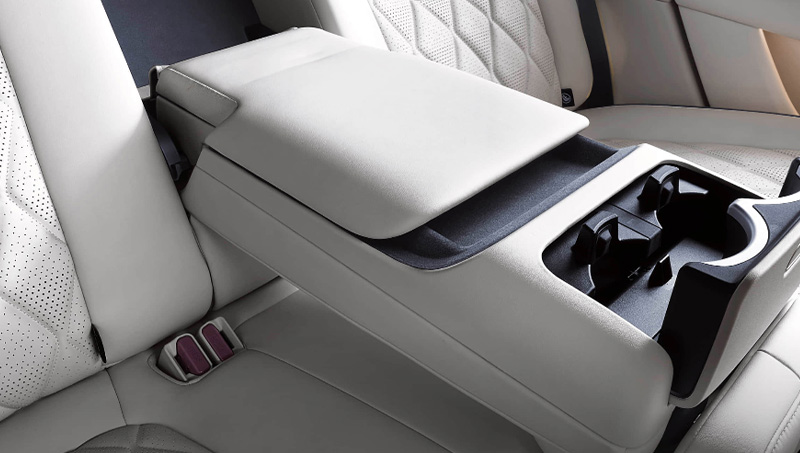
Storage solutions in the Avatr 11 are ample, with spacious door pockets, center console cupholders, and a reasonably sized armrest box; the wireless charging pad is logically positioned. The M7 is renowned for its clever storage design, featuring a hollowed-out lower console and thoughtfully arranged door bins. Their approaches differ: the Avatr 11 ensures “sufficiency,” while the M7 triumphs with “ingenuity.” This competition represents a direct dialogue between the “Tech Avant-Garde” and the “Family Pragmatist.” Choosing the Avatr 11 signifies a willingness to pay a premium for cutting-edge intelligence and design; opting for the M7 reflects a priority on family utility and anxiety-free mobility.
1.What kind of vehicle is the Avatr 11?
The Avatr 11 is a mid-to-large-sized pure-electric SUV launched by Avatr Technology, a joint venture involving Changan Automobile, Huawei, and CATL. Centered on Emotional Intelligent design, Huawei’s full-stack intelligence, and ultra-fast charging technology, it targets users in the 300,000–400,000 RMB segment who seek technology and individuality.
2.What are the core competencies of the Avatr 11?
Its core strengths lie in the combination of Huawei’s full-stack intelligence, ultra-fast charging, and Emotional Intelligent design:
Huawei ADS 2.0 enabling full-scenario intelligent driving.
750V high-voltage fast charging (10 minutes for 200 km of range).
Highly distinctive Emotional Intelligent design language.
HarmonyOS smart cockpit with leading interactive experiences.
CATL battery technology ensuring safety and reliability.
3.What are the main differences between the Avatr 11 and the AITO M7, and how should one choose?
Powertrain: The Avatr 11 is pure electric (eco-friendly, high performance); the M7 is extended-range (flexible, anxiety-free).
ADAS Hardware: The Avatr 11 features three LiDAR sensors with higher specifications; the M7 offers excellent performance with slightly reduced hardware.
Design Style: The Avatr 11 is avant-garde and sci-fi; the M7 is steady and pragmatic.
Space Layout: The Avatr 11 is a five-seater focused on sportiness; the M7 offers six/seven seats for family utility.
Price Positioning: The Avatr 11 occupies a higher tier, while the M7 stands out for cost-effectiveness.
Recommendation:
Choose the Avatr 11 if you prioritize top-tier intelligent driving, ultra-fast charging, and design aesthetics, and have no concerns about pure-electric usage.
Choose the AITO M7 if you value family practicality, range-extender freedom from anxiety, the HarmonyOS ecosystem, and overall value for money.
User Comments
JhM: “The real-life appearance and texture of the Avatr are impeccable; even as a NIO owner, I couldn’t help but steal a second glance.”
bai: “Regardless of other factors, the Avatr comes standard with three LiDAR sensors across all trims. Coupled with its computing power for map-less assisted driving, this is where its confidence truly lies.”
Advanced Search
Recommended Models
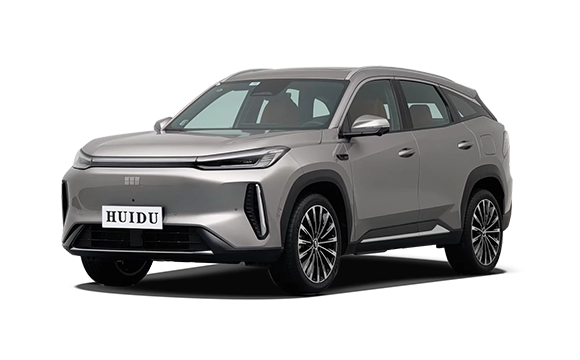
Geely-Galaxy-Geely Galaxy M7
Updated: May,28,2026
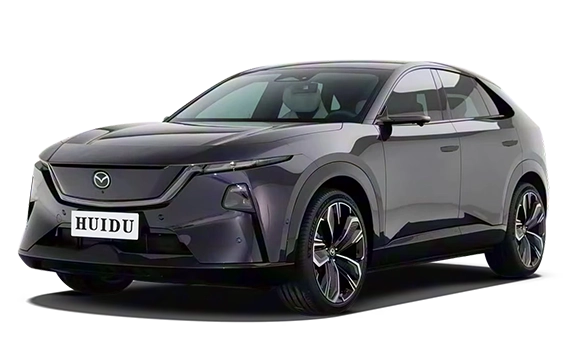
Mazda-Mazda EZ-60
Updated: Mar,02,2026

GAC Trumpchi-Trumpchi ES9
Updated: Feb,26,2026
Related News
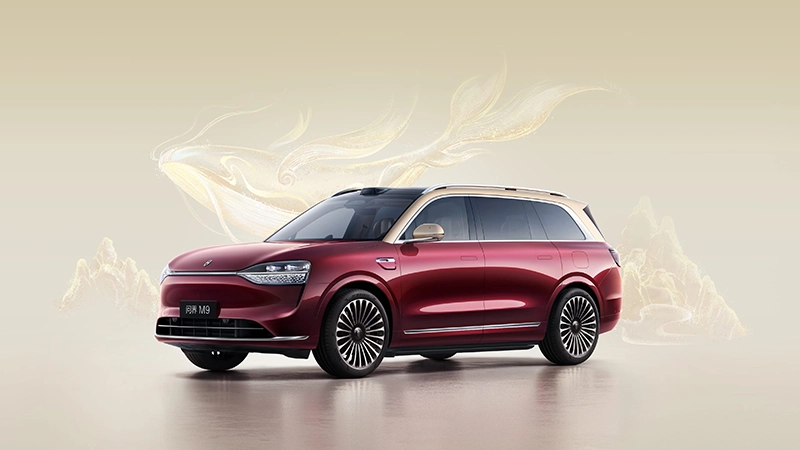
A pioneering creation in the new energ...
Nov,05,2025
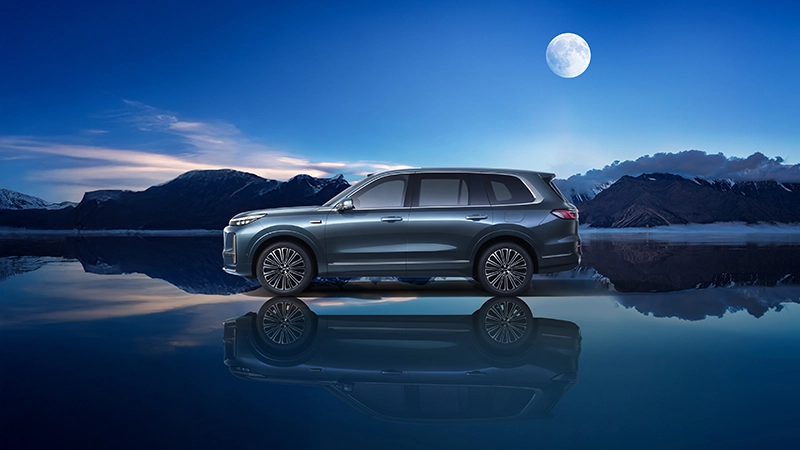
Geely Galaxy M9: Reshaping the Large S...
Nov,06,2025
All trims of the Tang L DM are equippe...
Nov,05,2025
What are your thoughts on this car?
* Required Fields