

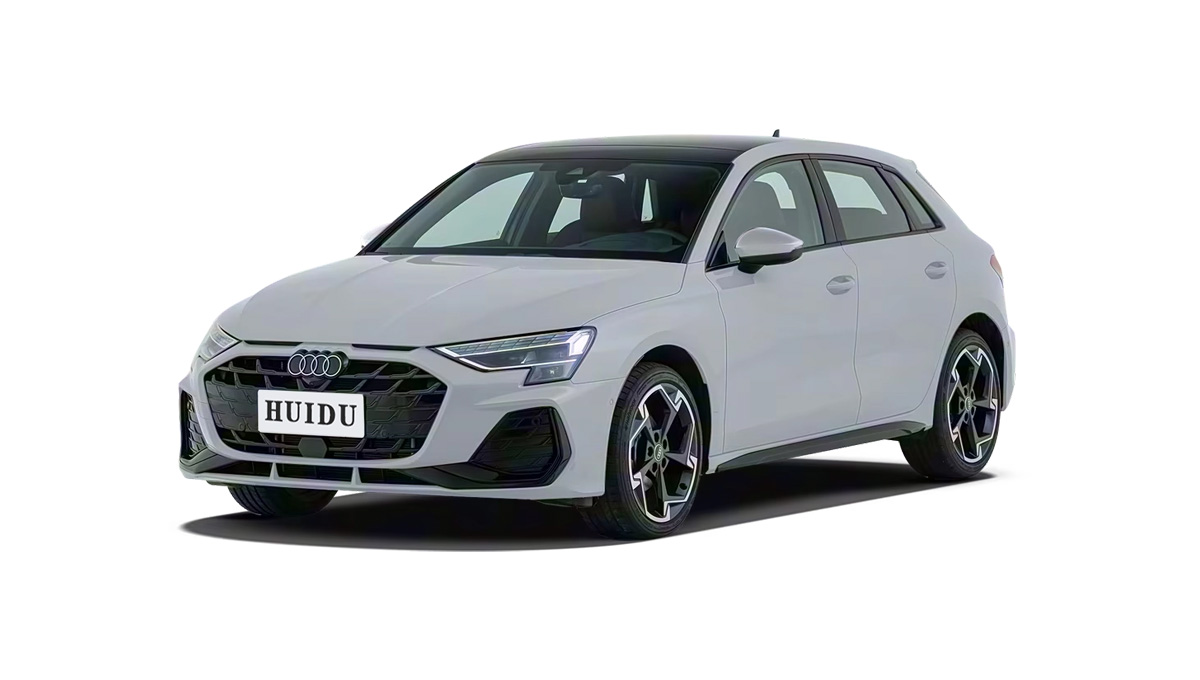
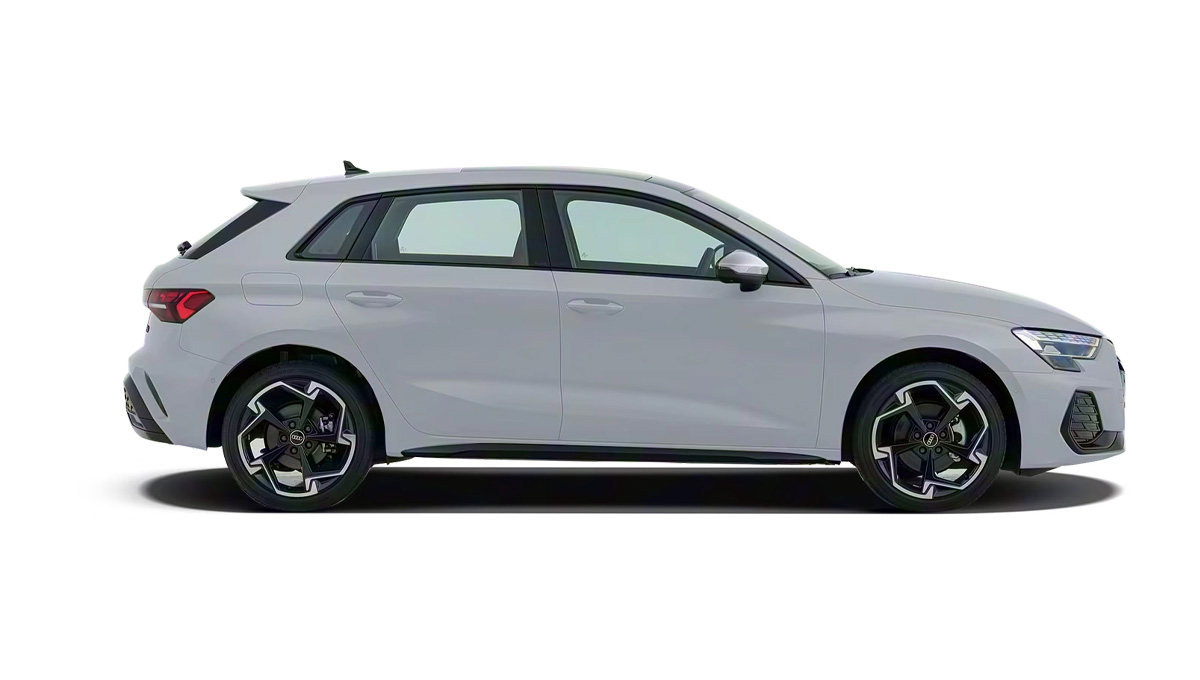
The Audi A3 has long been recognized for its comfortable ride, engaging handling dynamics, and spacious cabin—attributes that collectively meet the comprehensive needs of most families while offering a diverse range of powertrain options. Nevertheless, in a continued effort to strengthen its market competitiveness, Audi introduced a mid-cycle refresh for this compact family hatchback last year.
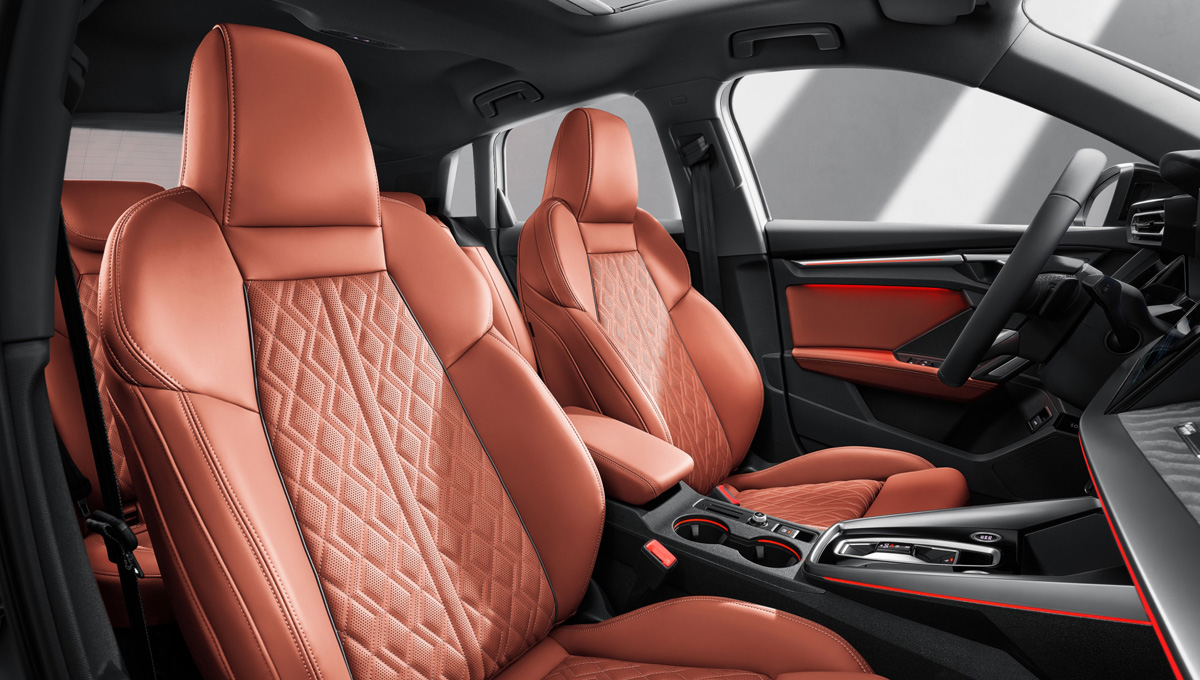
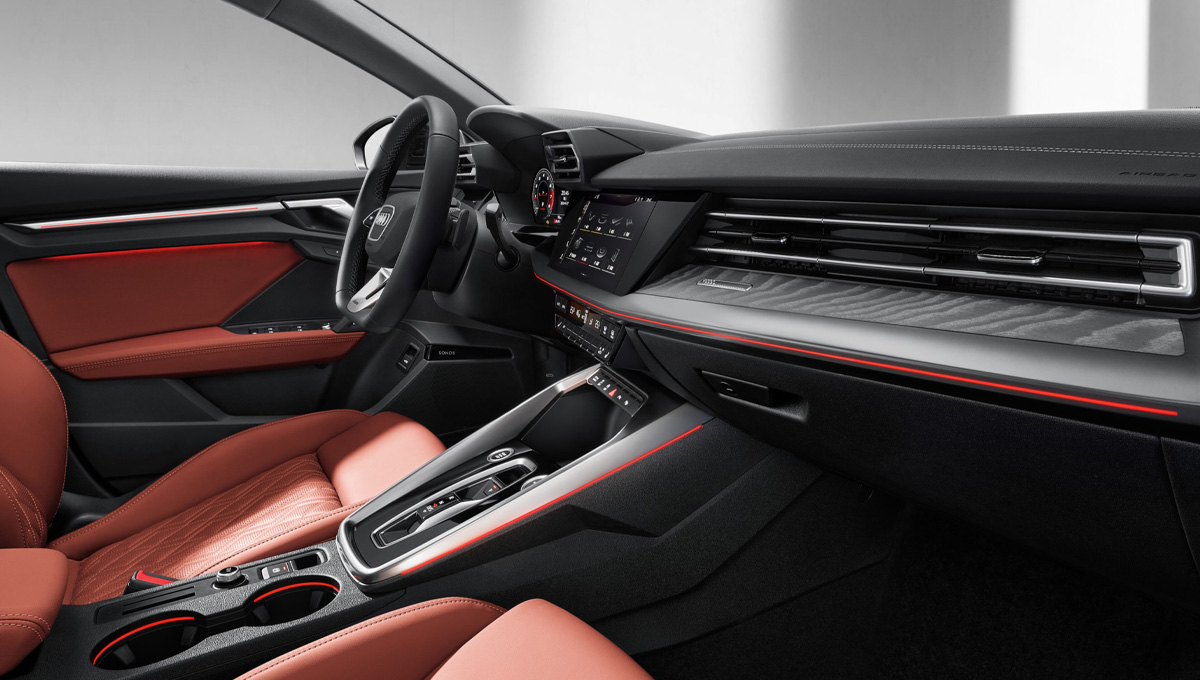
This update brings a more assertive front-end design, featuring a new frameless Singleframe grille, sharper front bumper lines, and upgraded LED headlights with adjustable lighting signatures—further accentuating the sporty character of the RS-inspired variants. Inside, the cabin ambiance is elevated through enhanced ambient lighting and higher-grade materials, significantly improving overall perceived quality and ride comfort.
While the powertrain lineup largely retains its established configuration, the plug-in hybrid variant receives a notable upgrade: a larger battery pack that substantially extends its all-electric range.
For buyers opting for the gasoline-powered Audi A3 Sportback, we recommend the 1.5-liter 35 TFSI engine, which delivers 148 horsepower and achieves a manufacturer-quoted 0–62 mph acceleration time of 8.4 seconds. This engine offers responsive performance, ample low-end torque, and smooth power delivery across the rev range. The entry-level 1.5-liter 30 TFSI (114 hp) has not yet undergone our real-world testing, but its output may prove somewhat modest for a premium compact hatchback. Diesel enthusiasts might consider the 2.0-liter 35 TDI (148 hp), which provides stronger torque and superior towing capability, accelerating from 0–100 km/h in just 8.3 seconds—ideal for confident overtaking on highways. However, when factoring in total cost of ownership, the 35 TFSI gasoline variant remains our preferred recommendation. For those seeking higher performance, our separate review of the Audi S3 offers further insights.
The plug-in hybrid 40 TFSIe now features a usable battery capacity of 19.7 kWh, enabling an all-electric range of up to 88 miles depending on specification. Its combined system output stands at 201 horsepower, achieving 0–62 mph in 7.4 seconds. The electric motor provides sufficient power to maintain highway cruising speeds using electricity alone.
The base Sport trim rides on smaller wheels and a softer suspension setup, delivering the most comfortable ride among all Audi A3 variants. While the Mercedes-Benz A-Class offers slightly better bump absorption over isolated road imperfections, it exhibits more noticeable body float over repeated undulations—such as those commonly found on twisty B-roads.
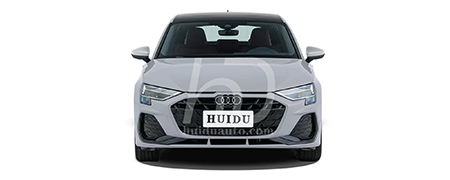
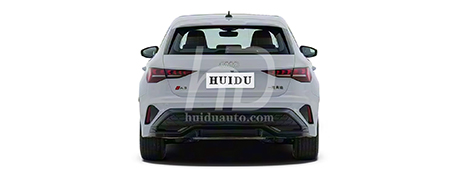
Models equipped with the S line or Black Edition packages feature firmer suspension tuning and larger wheels (18 inches for S line, 19 inches for Black Edition), yet they retain commendable ride comfort across most road surfaces. In fact, the S line’s ride quality feels marginally more compliant than the BMW 1 Series M Sport, quickly settling after disturbances without inducing unsettling secondary oscillations or harshness.
The 40 TFSIe plug-in hybrid benefits from a bespoke suspension calibration that leans toward firmness while preserving agile handling. It also transmits less impact harshness over potholes and deep ruts compared to the Volkswagen Golf eHybrid.
The Audi A3’s handling is predictable, stable, and genuinely enjoyable—a trait evident even in the base Sport trim and further enhanced in the sportier S line and Black Edition models. With excellent grip and balanced chassis dynamics, the Audi A3 maintains composure during rapid direction changes or when encountering mid-corner bumps.
Compared to the Mercedes-Benz A-Class, the Audi A3 adopts a more driver-focused, sport-oriented character. Its steering feel is precise and well-weighted. Drivers who prioritize ultra-direct steering feedback may still favor the BMW 1 Series, which offers slightly quicker response. The 40 TFSIe’s added mass from the battery pack does marginally reduce agility, yet it remains one of the most dynamically capable plug-in hybrids currently available, combining strong grip with refined body control.
All Audi A3 Sportback engines operate quietly under most conditions. However, in higher-output variants—including the plug-in hybrid—the standard automatic transmission allows engine revs to climb noticeably under heavier throttle inputs, resulting in audible engine note. Despite this, gear shifts remain smooth and unobtrusive.
In terms of noise suppression, the Audi A3 outperforms the A-Class in both suspension noise and wind noise isolation. That said, road noise becomes more apparent at speeds above urban limits—particularly on models fitted with larger wheels. On highways, its overall cabin quietness is broadly comparable to that of the BMW 1 Series.
The Audi A3 Sportback offers an ergonomic driving position with generous adjustability for both the steering wheel and driver’s seat. Following the mid-cycle update, power-adjustable lumbar support is now standard across all trims—a significant benefit for long-distance comfort. The center console is subtly angled toward the driver, ensuring intuitive access to controls and the infotainment screen. Physical climate control buttons enhance usability compared to the touch-sensitive interfaces found in many rivals.
All models come standard with the enhanced “Audi Virtual Cockpit,” a 12.3-inch digital instrument cluster that clearly displays essential driving information and offers multiple layout configurations. Its high level of integration and visual clarity renders the optional head-up display largely unnecessary.
Forward visibility is excellent thanks to slim A-pillars, though rearward sightlines are somewhat compromised by thicker C-pillars and a relatively small rear window.
Standard equipment includes front and rear parking sensors plus an automated parking assist system capable of identifying suitable spaces and executing parallel or perpendicular maneuvers. A rearview camera is included in the optional Technology Pack. LED headlights are standard, with matrix LED units available as an upgrade—featuring intelligent beam control that maintains high-beam illumination without dazzling oncoming or preceding vehicles.
Front occupants enjoy ample legroom, shoulder room, and headroom—even passengers exceeding 1.83 meters (6 feet) will find the space comfortable. Although the dashboard adopts a minimalist aesthetic with limited dedicated storage, practical stowage is thoughtfully distributed: bins ahead of the gear selector and beneath the center armrest, dual cupholders in the center console, and door pockets large enough for oversized bottles.
Rear-seat space accommodates taller passengers adequately, though not luxuriously. The center rear passenger must straddle a prominent floor tunnel, and with slightly elevated seat bases, those approaching 1.83 meters may find headroom tight against the roof lining.
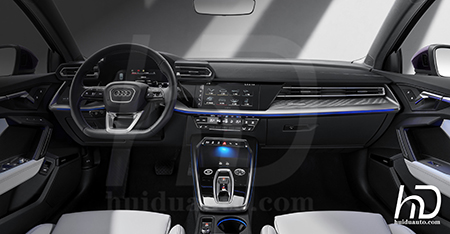
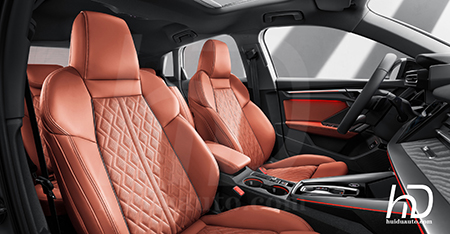
Rear storage is modest: door pockets fit small bottles, and S line (and above) trims include a folding center armrest with integrated cupholders. An optional storage package adds a lockable glovebox and luggage net, though map pockets on the front seatbacks remain a paid extra—an oversight in an otherwise well-considered interior.
Notably, S line and higher trims feature a versatile 40/20/40 split-folding rear seat. However, these seats lack fore-aft sliding or reclining functions, preventing flexible trade-offs between passenger legroom and cargo volume.
The trunk opening is of moderate size. Non-hybrid models offer a standard capacity of 380 liters—enough to stow five carry-on suitcases (the Mercedes A-Class fits six). When the rear seats are folded, a gentle slope forms between the load floor and seatbacks, though the incline is minimal and rarely impedes large-item loading. The load floor is height-adjustable; raising it eliminates the trunk lip, creating a completely flat load surface when the seats are down.
In contrast, the plug-in hybrid sacrifices the adjustable floor and loses space to the battery pack, reducing boot capacity to 280 liters—slightly less than the Mercedes A250e hatchback (310 liters)—yet still sufficient for five carry-ons.
As part of the mid-cycle refresh, Audi has enhanced the Audi A3’s standard specification while maintaining a price point slightly below that of its key rivals—the BMW 1 Series and Mercedes-Benz A-Class.Fuel efficiency and CO₂ emissions align closely with segment norms. Our recommended 35 TFSI paired with the Sport trim achieves an official combined fuel economy of 53.3 mpg (approximately 4.5 L/100 km).
Even the entry-level Sport trim is generously equipped, including cruise control, three-zone automatic climate control, heated front seats, power-folding mirrors, 17-inch alloy wheels, automatic headlights and wipers, a leather-wrapped steering wheel, and an auto-dimming rearview mirror—making it our top pick.
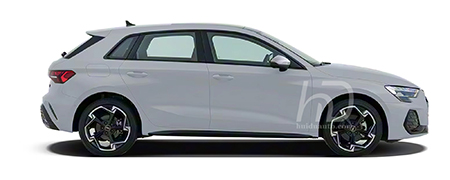
For a more athletic appearance and driving experience, the S line package adds 18-inch alloys, sport suspension, S line-specific bumpers, privacy glass, stainless steel pedals, a flat-bottom steering wheel, and customizable ambient interior lighting.The pricier Black Edition further distinguishes itself with a black exterior styling package, 19-inch wheels, and illuminated door sills that project the Audi logo onto the ground during entry and exit.
Two technology packages are available: the £1,495 Tech Pack includes a Sonos sound system, head-up display, and rearview camera; the £4,995 Tech Pack Pro adds matrix LED headlights, a panoramic sunroof, and power-adjustable front seats.All Audi A3 models come standard with advanced safety features, including autonomous emergency braking (AEB), lane departure warning, and traffic sign recognition—ensuring class-leading active safety performance.
1.What is the current market price of the Audi A3?
According to Audi’s official data, the refreshed A3 family launched in October 2025 comprises six trim levels, offered in both standard-wheelbase Sportback (hatchback) and long-wheelbase Limousine (sedan) body styles. Official pricing ranges from RMB 165,900 to RMB 209,900.
2.How is Audi positioned in the luxury hierarchy?
Within Audi’s sedan lineup, the A3 is explicitly positioned as the brand’s “entry-level luxury choice,” targeting young urban consumers who value brand prestige, contemporary design, and advanced technology.
3.What are the key differences between the Audi A3 and Audi A4?
The Audi A3 is a nimble, stylish entry into premium motoring—ideal for city driving—while the Audi A4 offers significant upgrades in space, powertrain refinement, ride quality, and overall luxury ambiance, catering to buyers with higher expectations for holistic vehicle quality.
Is the Audi A3 an SUV?
No. The Audi A3 is a compact car, currently available in China exclusively as a hatchback (Sportback) or sedan (Limousine). Audi’s SUV lineup is designated by the “Q” series; the closest equivalent in the compact luxury SUV segment is the Audi Q3.
Advanced Search
Recommended Models
Geely-Galaxy-Geely Galaxy M7
Updated: May,28,2026
Mazda-Mazda EZ-60
Updated: Mar,02,2026

GAC Trumpchi-Trumpchi ES9
Updated: Feb,26,2026
Related News
A pioneering creation in the new energ...
Nov,05,2025
Geely Galaxy M9: Reshaping the Large S...
Nov,06,2025
All trims of the Tang L DM are equippe...
Nov,05,2025
What are your thoughts on this car?
* Required Fields